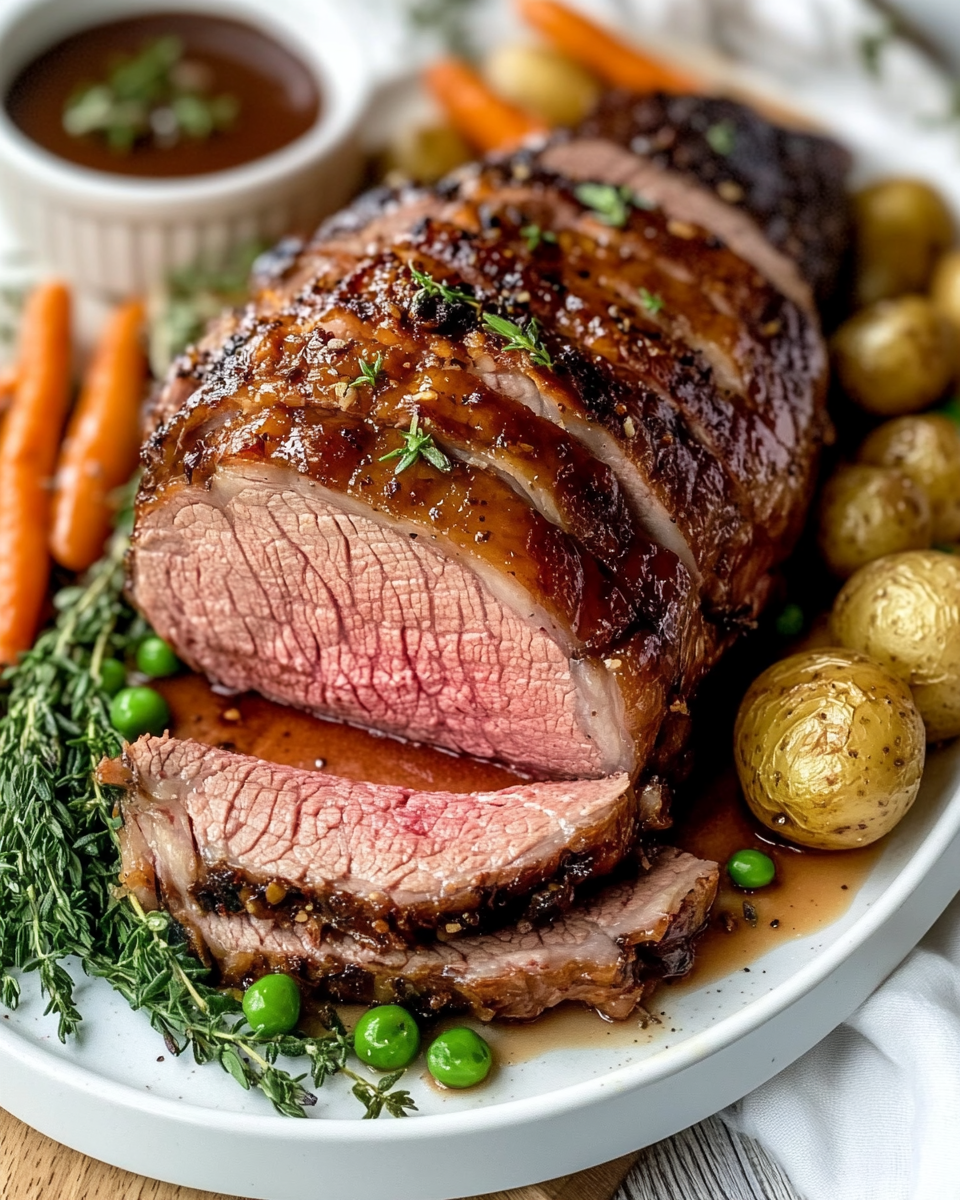
When spring arrives, my kitchen practically demands an Easter glazed lamb recipe to grace our holiday table. There’s something undeniably special about a perfectly roasted leg of lamb, caramelized to golden perfection with a glossy honey and Dijon mustard glaze that catches the light like edible jewelry. This glazed lamb recipe has become my signature Easter main course, and I’m thrilled to share every secret that makes it restaurant-quality yet surprisingly approachable for home cooks.
What makes this Easter lamb dinner truly memorable isn’t just the tender, succulent meat—it’s the balance of sweet and savory in that spectacular glaze. The combination of warm spices, fresh herbs, and a touch of brightness creates a dish that feels both traditional and modern, honoring Easter’s heritage while celebrating spring’s arrival. I’ve tested and refined this recipe over countless family celebrations, and I promise you’ll be serving it for years to come.
Whether you’re cooking for a small family gathering or hosting a larger celebration, this roasted lamb with glaze adapts beautifully to your needs. The preparation is straightforward enough for weeknight cooking, yet elegant enough to impress your most discerning dinner guests. Let me walk you through creating a show-stopping Easter main course recipe that will have everyone asking for your secrets.
Why You’ll Love This Easter Glazed Lamb Recipe
- Impressive Yet Simple: This honey glazed lamb looks like you’ve spent hours in the kitchen, but it genuinely comes together in about 20 minutes of hands-on work—perfect for busy holiday schedules.
- Naturally Elegant: The caramelized glaze gives the lamb a restaurant-quality appearance that elevates any Easter table without requiring special cooking skills or equipment.
- Flavor Complexity: The glaze combines Dijon mustard, honey, rosemary, thyme, and garlic into a sophisticated sauce that makes every bite memorable and deeply satisfying.
- Springtime Perfect: As one of the best spring lamb recipes, this dish celebrates the season’s fresh flavors while featuring lamb at its most tender and flavorful during spring months.
- Flexible Timing: You can prepare components ahead, making this an ideal holiday lamb recipe when managing multiple dishes during Easter dinner preparations.
- Crowd-Pleasing: From traditional lamb lovers to those trying it for the first time, this glazed lamb recipe converts skeptics with its tender texture and irresistible caramelized exterior.
Ingredients You’ll Need
The beauty of this glazed lamb recipe lies in its ingredient simplicity. You’re likely to have most items in your pantry already, which means this elegant Easter glazed lamb doesn’t require a special trip to a specialty butcher or exotic ingredient hunt. The magic happens when these simple components combine during roasting, creating layers of flavor that taste far more complex than the ingredient list suggests.
I recommend using fresh herbs whenever possible—they make a noticeable difference in both flavor and the visual appeal of your roasted lamb with glaze. The quality of your lamb matters too; look for lamb labeled as having been grass-fed or pasture-raised when available, as these animals produce naturally more flavorful meat. All measurements are straightforward, and I’ve included optional upgrades if you want to customize your Easter main course recipe.
For the Lamb
- 1 whole Lamb leg (bone-in, 6-7 pounds, at room temperature)
- 3 tablespoons Extra virgin olive oil (divided for rubbing and basting)
- 2 teaspoons Sea salt (plus more for adjusting)
- 1 teaspoon Freshly ground black pepper (preferably freshly cracked)
For the Glaze
- 1/2 cup Raw honey (or local honey for best flavor)
- 1/4 cup Dijon mustard (whole grain adds texture)
- 2 tablespoons Balsamic vinegar (aged preferred)
- 3 cloves Garlic (minced fine)
- 2 tablespoons Fresh rosemary (finely chopped, not dried)
- 1 tablespoon Fresh thyme (leaves stripped from stems)
- 1/2 teaspoon Ground cumin (adds warmth and depth)
- 1/4 teaspoon Red pepper flakes (optional, for slight heat)
For Serving
- 1 cup Lamb or vegetable stock (for pan sauce)
- 2 tablespoons Fresh mint (for garnish, optional)
Optional Add-ins:
- Worcestershire sauce
- Orange zest
- Smoked paprika
How to Make Easter Glazed Lamb Recipe (Step-by-Step)
1. Prepare Your Lamb
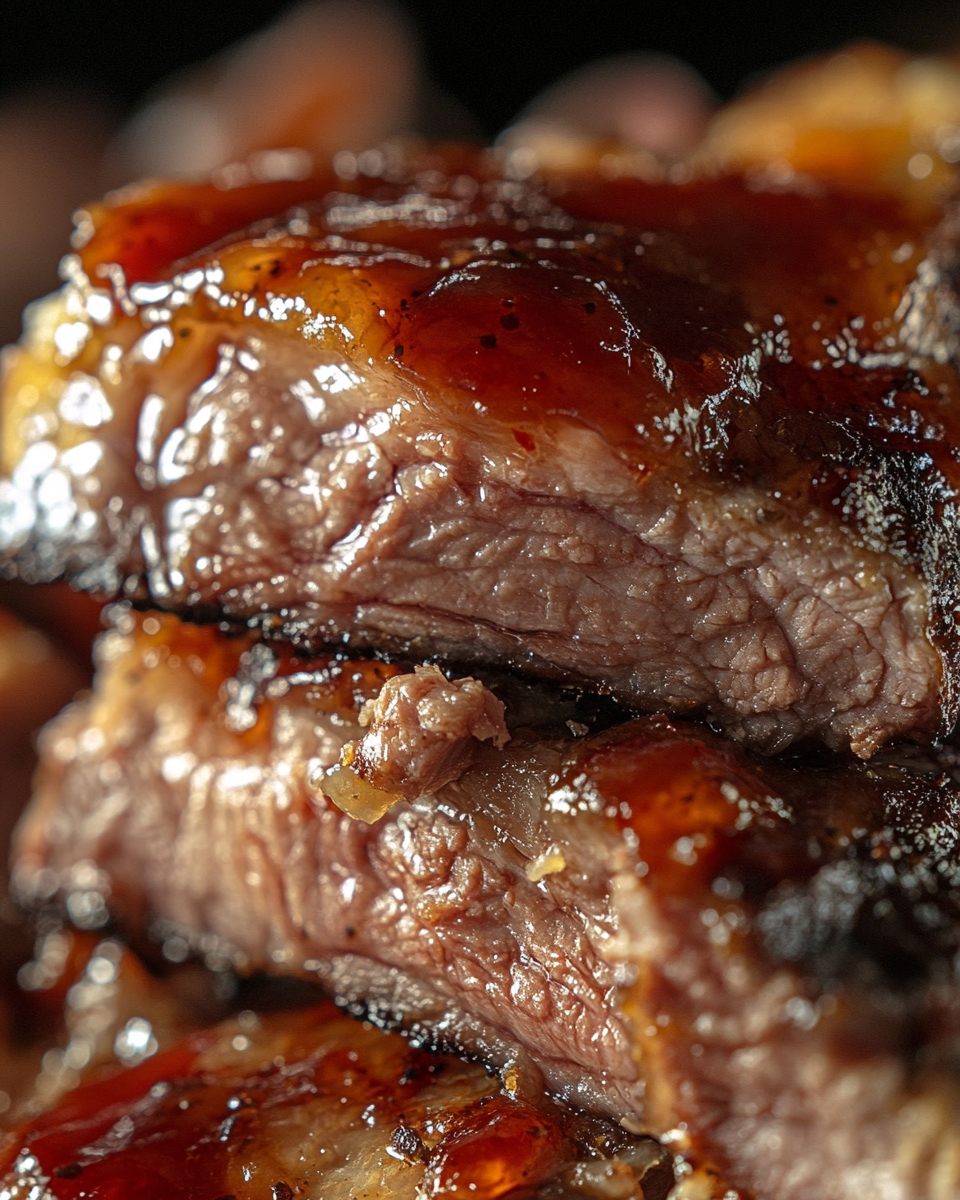
Remove your lamb from the refrigerator 60-90 minutes before cooking to allow it to reach room temperature. This ensures even cooking throughout the meat. Pat the lamb completely dry with paper towels—this step is crucial for achieving that beautiful golden-brown exterior. Trim any large pockets of surface fat, leaving about 1/4-inch of fat cap for flavor and protection.
Pro tip: Room temperature lamb cooks 15-20% faster and more evenly than cold lamb straight from the fridge. This is the most important step many home cooks skip.
Place your lamb on a cutting board and score the fat in a crosshatch pattern using a sharp knife, being careful not to cut into the meat itself. This allows the glaze to penetrate and fat to render properly. Rub the entire surface with 2 tablespoons of olive oil, then generously season all sides with sea salt and freshly ground black pepper.
Pro tip: The scoring allows the heat to reach more of the fat surface, creating more caramelized surface area and intensifying the glaze application.
2. Prepare the Glaze
In a small mixing bowl, whisk together honey, Dijon mustard, balsamic vinegar, minced garlic, fresh rosemary, thyme, cumin, and red pepper flakes if using. Whisk vigorously until the glaze is well combined and the honey is fully incorporated. The mixture should have a glossy, smooth consistency. Taste it straight from the spoon—this is your flavor checkpoint. Adjust vinegar for tanginess or honey for sweetness according to your preference.
Pro tip: Whisking together the glaze ahead of time (up to 2 hours before cooking) actually improves flavor development as herbs infuse into the honey and mustard base.
3. Sear the Lamb
Preheat your oven to 425°F (220°C). Heat the remaining 1 tablespoon of olive oil in your roasting pan over medium-high heat until it’s shimmering but not smoking. Carefully place the lamb in the hot pan, fat-side down first. Sear for 4-5 minutes until the fat cap develops a deep golden-brown color, then sear the other sides for 2-3 minutes each. This searing step creates the Maillard reaction—the chemical process that develops complex, savory flavors.
Pro tip: Don’t move the lamb while searing. Let it sit undisturbed to develop that beautiful crust. Once seared, position the lamb fat-side up in the roasting pan.
4. Apply Glaze and Roast
Using a basting brush, generously apply half of the glaze mixture to the top and sides of the seared lamb. Place the roasting pan in the preheated 425°F oven. Roast for 15 minutes at this high temperature, then reduce the oven temperature to 325°F (163°C). This two-temperature approach ensures a caramelized exterior while the interior stays tender and juicy.
Pro tip: Starting hot at 425°F creates a spectacular crust, then the lower temperature allows for gentle, even cooking of the interior without drying out the outside.
Continue roasting at 325°F for approximately 1 hour 15 minutes to 1 hour 45 minutes, depending on your desired doneness and lamb thickness. Every 20-25 minutes, baste with the remaining glaze mixture and any pan juices. This frequent basting builds layers of glaze and keeps the meat incredibly moist. Insert your meat thermometer into the thickest part of the lamb (not touching bone) to monitor progress.
Pro tip: For medium-rare (pink, juicy center), aim for 130-135°F internal temperature. For medium, cook to 140-145°F. For well-done, continue to 160°F. Remember that carryover cooking will raise the temperature 5°F after you remove the lamb from the oven.
5. Rest and Create Pan Sauce
Once your lamb reaches your target temperature, remove it from the oven and transfer it to a warm cutting board. Let it rest uncovered for 15-20 minutes. This resting period is absolutely crucial—it allows the juices to redistribute throughout the meat, ensuring moist, tender slices. Resting also gives you time to prepare a simple pan sauce.
Pro tip: Resist the urge to cut into the lamb immediately. Every minute of resting dramatically improves the final texture and juiciness of each slice.
Place your roasting pan on the stovetop over medium heat. Add 1 cup of lamb or vegetable stock, scraping up all the caramelized bits from the bottom with a wooden spoon. Bring to a gentle simmer and cook for 3-4 minutes, reducing slightly. Strain through a fine sieve if you prefer a smooth sauce, or serve it rustic-style with the herbs and bits included. Season with salt and pepper to taste.
Pro tip: Those browned bits stuck to the pan (called fond) contain incredible concentrated flavor. Make sure to fully deglaze the pan to capture all that goodness in your sauce.
6. Carve and Serve
Using a sharp carving knife and carving fork, slice the lamb against the grain into 1/2-inch thick slices. Work slowly and deliberately to maintain the beautiful presentation. Arrange slices on a warm serving platter, overlapping slightly. Drizzle with the warm pan sauce and garnish with fresh mint if desired. Serve immediately with your chosen side dishes.
Pro tip: Carving against the grain shortens the muscle fibers, making each slice more tender. Look at the grain direction and slice perpendicular to it.
Easter Glazed Lamb Recipe – Full Recipe
Easter Glazed Lamb Recipe
Ingredients
Equipment
Method
- Remove your lamb from the refrigerator 60-90 minutes before cooking to allow it to reach room temperature. This ensures even cooking throughout the meat. Pat the lamb completely dry with paper towels—this step is crucial for achieving that beautiful golden-brown exterior. Trim any large pockets of surface fat, leaving about 1/4-inch of fat cap for flavor and protection. Pro tip: Room temperature lamb cooks 15-20% faster and more evenly than cold lamb straight from the fridge. This is the most important step many home cooks skip.
- Place your lamb on a cutting board and score the fat in a crosshatch pattern using a sharp knife, being careful not to cut into the meat itself. This allows the glaze to penetrate and fat to render properly. Rub the entire surface with 2 tablespoons of olive oil, then generously season all sides with sea salt and freshly ground black pepper. Pro tip: The scoring allows the heat to reach more of the fat surface, creating more caramelized surface area and intensifying the glaze application.
- In a small mixing bowl, whisk together honey, Dijon mustard, balsamic vinegar, minced garlic, fresh rosemary, thyme, cumin, and red pepper flakes if using. Whisk vigorously until the glaze is well combined and the honey is fully incorporated. The mixture should have a glossy, smooth consistency. Taste it straight from the spoon—this is your flavor checkpoint. Adjust vinegar for tanginess or honey for sweetness according to your preference. Pro tip: Whisking together the glaze ahead of time (up to 2 hours before cooking) actually improves flavor development as herbs infuse into the honey and mustard base.
- Preheat your oven to 425°F (220°C). Heat the remaining 1 tablespoon of olive oil in your roasting pan over medium-high heat until it's shimmering but not smoking. Carefully place the lamb in the hot pan, fat-side down first. Sear for 4-5 minutes until the fat cap develops a deep golden-brown color, then sear the other sides for 2-3 minutes each. This searing step creates the Maillard reaction—the chemical process that develops complex, savory flavors. Pro tip: Don't move the lamb while searing. Let it sit undisturbed to develop that beautiful crust. Once seared, position the lamb fat-side up in the roasting pan.
- Using a basting brush, generously apply half of the glaze mixture to the top and sides of the seared lamb. Place the roasting pan in the preheated 425°F oven. Roast for 15 minutes at this high temperature, then reduce the oven temperature to 325°F (163°C). This two-temperature approach ensures a caramelized exterior while the interior stays tender and juicy. Pro tip: Starting hot at 425°F creates a spectacular crust, then the lower temperature allows for gentle, even cooking of the interior without drying out the outside.
- Continue roasting at 325°F for approximately 1 hour 15 minutes to 1 hour 45 minutes, depending on your desired doneness and lamb thickness. Every 20-25 minutes, baste with the remaining glaze mixture and any pan juices. This frequent basting builds layers of glaze and keeps the meat incredibly moist. Insert your meat thermometer into the thickest part of the lamb (not touching bone) to monitor progress. Pro tip: For medium-rare (pink, juicy center), aim for 130-135°F internal temperature. For medium, cook to 140-145°F. For well-done, continue to 160°F. Remember that carryover cooking will raise the temperature 5°F after you remove the lamb from the oven.
- Once your lamb reaches your target temperature, remove it from the oven and transfer it to a warm cutting board. Let it rest uncovered for 15-20 minutes. This resting period is absolutely crucial—it allows the juices to redistribute throughout the meat, ensuring moist, tender slices. Resting also gives you time to prepare a simple pan sauce. Pro tip: Resist the urge to cut into the lamb immediately. Every minute of resting dramatically improves the final texture and juiciness of each slice.
- Place your roasting pan on the stovetop over medium heat. Add 1 cup of lamb or vegetable stock, scraping up all the caramelized bits from the bottom with a wooden spoon. Bring to a gentle simmer and cook for 3-4 minutes, reducing slightly. Strain through a fine sieve if you prefer a smooth sauce, or serve it rustic-style with the herbs and bits included. Season with salt and pepper to taste. Pro tip: Those browned bits stuck to the pan (called fond) contain incredible concentrated flavor. Make sure to fully deglaze the pan to capture all that goodness in your sauce.
- Using a sharp carving knife and carving fork, slice the lamb against the grain into 1/2-inch thick slices. Work slowly and deliberately to maintain the beautiful presentation. Arrange slices on a warm serving platter, overlapping slightly. Drizzle with the warm pan sauce and garnish with fresh mint if desired. Serve immediately with your chosen side dishes. Pro tip: Carving against the grain shortens the muscle fibers, making each slice more tender. Look at the grain direction and slice perpendicular to it.
Notes
- Bring lamb to room temperature 90 minutes before cooking for even, consistent results throughout the meat
- Use an instant-read meat thermometer to guarantee perfect doneness—aim for 130-135°F for medium-rare or 140-145°F for medium
- Frequent basting with the glaze mixture every 20-25 minutes builds layers of caramelized flavor and keeps the meat incredibly moist
Tips for the Best Easter Glazed Lamb Recipe
- Temperature is Your Best Friend: An instant-read meat thermometer removes all guesswork from cooking Easter glazed lamb. Different ovens vary significantly, so internal temperature is far more reliable than time estimates for achieving perfect doneness every single time.
- Fresh Herbs Make All the Difference: While dried herbs are convenient, fresh rosemary and thyme create a noticeably brighter, more complex glaze for your glazed lamb recipe. If you must use dried, reduce quantities to one-third since dried herbs are more concentrated.
- Don’t Skip the Searing Step: Many cooks want to skip searing and jump straight to roasting, but those golden-brown crust layers are where incredible flavor develops. This step is non-negotiable for creating restaurant-quality roasted lamb with glaze.
- Lamb Fat is Your Friend: Unlike beef fat, lamb fat has a distinctive flavor that defines the meat. Don’t trim it excessively. That fat cap is where the glaze adheres and creates the spectacular caramelized exterior your Easter main course recipe needs.
- Bring Everything to Room Temperature: Cold lamb takes considerably longer to cook and unevenly at that. Removing your honey glazed lamb from the refrigerator 90 minutes before cooking ensures even heat penetration and more consistent results across the meat.
- Make Extra Sauce: Double your pan sauce recipe or have extra stock on hand. This spring lamb recipe is rich and succulent, and a flavorful sauce elevates it further while accommodating guests who want extra sauce for dipping and drizzling.
Variations to Try
- Pomegranate and Cumin Glaze: Replace half the honey with pomegranate molasses, increase cumin to 1 teaspoon, and add 1/2 teaspoon ground cinnamon for a Middle Eastern-inspired glazed lamb recipe that’s equally stunning for holiday entertaining.
- Mediterranean Herb Version: Swap rosemary and thyme for oregano, basil, and marjoram. Add 1 tablespoon of sun-dried tomato paste to the glaze and reduce honey slightly for a Greek-inspired Easter lamb dinner that celebrates Mediterranean flavors.
- Asian-Inspired Ginger Glaze: Combine honey with 2 tablespoons soy sauce, 1 tablespoon rice vinegar, 1 tablespoon grated fresh ginger, and 1 teaspoon sesame oil for a fusion-style roasted lamb with glaze that introduces exciting new flavor dimensions.
- Coffee and Cocoa Rub: Create a dry rub combining 1 tablespoon instant espresso powder, 1 tablespoon cocoa powder, 1 teaspoon paprika, and the listed herbs. Apply before searing, then brush with honey-mustard glaze for a sophisticated spring lamb recipe with surprising depth.
- Maple-Bourbon Version: Replace honey with pure maple syrup and add 2 tablespoons bourbon whiskey to the glaze. Add 1/2 teaspoon smoked paprika for a luxurious autumn-inspired holiday lamb recipe that works beautifully year-round.
Storage and Meal Prep Tips
- Refrigerator Storage: Cooked lamb keeps well for 3-4 days when stored in an airtight container. Cool completely before refrigerating. The meat actually benefits from a day of rest, as flavors meld and deepen overnight.
- Freezer Storage: Leftover sliced lamb freezes beautifully for up to 2 months. Wrap slices individually in plastic wrap, then place in freezer bags with the air pressed out. Thaw overnight in the refrigerator before reheating.
- Reheating Best Practices: Gently reheat sliced lamb at 325°F (163°C) for 8-10 minutes, covered with foil, until warmed through. Avoid high heat which can dry out the meat. Alternatively, slice cold lamb and serve in sandwiches or grain bowls for easy lunch transformations.
- Meal Prep Strategy: This Easter glazed lamb is perfect for meal prep. Cook the full recipe and portion slices with glaze into containers. Use throughout the week in salads, wraps, rice bowls, or alongside roasted vegetables for satisfying lunches.
- Bone Broth Bonus: Don’t discard the lamb bones! Freeze them to make rich, collagen-rich bone broth. Simmer bones with aromatics for 12-24 hours for an incredible cooking liquid that elevates future soups and sauces.
Nutritional Benefits
This elegant Easter glazed lamb provides exceptional nutritional value alongside its spectacular taste. Lamb is one of nature’s most nutrient-dense proteins, delivering complete amino acid profiles necessary for muscle maintenance and repair. The meat contains abundant B vitamins including B12 and niacin, which support energy metabolism and nervous system health. The herbs and spices in the glaze contribute powerful antioxidants and anti-inflammatory compounds that support overall wellness.
- Premium Protein Source: Each serving delivers substantial protein for satiety and muscle support, making this glazed lamb recipe satisfying and nutritionally complete.
- Rich in Essential Minerals: Lamb provides iron, zinc, and selenium—minerals many people consume insufficiently. These support immune function, thyroid health, and oxygen transport.
- Beneficial Fatty Acids: While higher in fat than chicken, lamb fat includes CLA (conjugated linoleic acid) and omega-3 fatty acids associated with anti-inflammatory benefits.
- Antioxidant Spices: Rosemary contains carnosic acid, thyme provides thymol, and cumin supplies anti-inflammatory compounds that work synergistically in your honey glazed lamb.
- Honey’s Benefits: Raw honey adds trace minerals and enzymes (if not overheated) while providing quick energy from natural carbohydrates—perfect fuel after Easter festivities.
What to Serve With Easter Glazed Lamb Recipe
- Spring Vegetable Medley: Serve your Easter glazed lamb alongside roasted baby carrots, young potatoes, and fresh spring peas dressed with mint and a touch of butter. The sweetness of spring vegetables complements the honeyed glaze beautifully.
- Creamed Horseradish Potatoes: Classic mashed potatoes with horseradish cream provide a pungent, cooling contrast to the rich, sweet glazed lamb recipe. The spice cuts through the richness perfectly.
- Mediterranean Grain Salad: A fresh tabbouleh or quinoa salad with cucumbers, tomatoes, mint, and lemon vinaigrette offers brightness and lightness alongside your hearty roasted lamb with glaze.
- Roasted Root Vegetables: Parsnips, beets, turnips, and Brussels sprouts roasted until caramelized echo the glaze’s sweet and savory notes, creating a harmonious Easter main course recipe presentation.
- Wilted Spinach with Garlic: Simple wilted greens provide an earthy, slightly bitter element that balances the sweetness of your honey glazed lamb, completing the plate nutritionally and flavor-wise.
Frequently Asked Questions
How long does it take to cook a glazed lamb leg and how do you know when it’s done?
A 6-7 pound lamb leg typically takes 1 hour 15 minutes to 1 hour 45 minutes at 325°F after the initial 15-minute sear at 425°F. The most reliable method is using an instant-read meat thermometer inserted into the thickest part (not touching bone). Target 130-135°F for medium-rare, 140-145°F for medium, or 160°F for well-done. Remember that carryover cooking will raise the temperature 5°F after removing from the oven, so pull it slightly before your target temperature. Every oven varies, so thermometer readings are far more accurate than time estimates.
Can I prepare the glaze ahead of time for this Easter glazed lamb recipe?
Absolutely! The glaze actually improves when made 2-4 hours ahead. Combine all glaze ingredients in a bowl, cover, and refrigerate. The herbs infuse into the honey and mustard base, developing more complex, integrated flavors. About 30 minutes before cooking, remove from the refrigerator and let it come to room temperature. You can even prepare the glaze up to 2 days ahead and store in an airtight container in the refrigerator. Just whisk well before using.
What’s the difference between medium-rare and medium lamb, and which should I cook this Easter main course recipe to?
Medium-rare lamb (130-135°F) has a pink, juicy center that showcases the meat’s tender, succulent qualities—this is what most chefs recommend for lamb. Medium (140-145°F) is still pink but slightly less, offering a compromise between tenderness and security for those nervous about pink meat. Well-done (160°F) removes all pink but risks drying out the meat unless you’re exceptionally careful with basting. For this glazed lamb recipe, I recommend medium-rare to medium as it best showcases the quality of the meat and the effort you’ve invested. Using a meat thermometer removes uncertainty from the equation.
Can I freeze leftover Easter glazed lamb, and how should I reheat it?
Yes, cooked lamb freezes beautifully for up to 2 months. Slice the meat, wrap individual portions in plastic wrap, then place in freezer bags with excess air removed. Thaw overnight in the refrigerator before reheating. Reheat gently at 325°F (163°C) for 8-10 minutes, covered with foil, until warmed through. Avoid high heat which dries out the meat. Alternatively, serve thawed lamb cold in salads, sandwiches, or grain bowls. The meat is delicious at any temperature, making it incredibly versatile for meal prep and leftovers.
What type of lamb should I buy for this roasted lamb with glaze recipe, and where’s the best place to purchase it?
Look for bone-in leg of lamb rather than boneless for superior flavor—the bone adds incredible depth to the meat during cooking. A 6-7 pound leg serves 8-10 people generously. Purchase from a quality butcher if possible; they can trim it appropriately and often offer lamb that’s fresher and better quality than grocery store varieties. Look for lamb labeled American, Australian, or New Zealand depending on your region. Grass-fed or pasture-raised lamb will have more robust flavor than grain-fed. Call ahead if your regular market doesn’t stock lamb—most will order it. The investment in quality lamb significantly impacts this elegant Easter dish.
Final Thoughts
This Easter glazed lamb recipe represents more than just a beautiful dish—it’s an expression of seasonal cooking at its finest. The moment you pull this golden-brown, caramelized lamb from the oven, the aroma filling your kitchen signals that something special is about to happen at your table. Whether you’re celebrating Easter, hosting a spring dinner party, or simply wanting to create a memorable meal for people you love, this glazed lamb recipe delivers impressive results that belie its straightforward preparation. The combination of proper technique (searing, two-temperature roasting, frequent basting) with quality ingredients creates magic that tastes far more complicated than it actually is.
I’ve shared this Easter main course recipe with hundreds of readers over the years, and the feedback consistently reflects the same sentiment: guests are blown away by the restaurant-quality presentation and flavor, while cooks are pleasantly surprised at how manageable the preparation actually is. This is the rare recipe that impresses both the people eating it and the person cooking it. Start with my suggestions, then feel free to customize the glaze variations to match your family’s preferences or your regional flavor traditions. Each version celebrates lamb’s inherent excellence while allowing your personal culinary voice to shine through.
Ready to Try It?
Don’t let another Easter pass without trying this showstopping Easter glazed lamb recipe! Whether this is your first time cooking lamb or you’re a seasoned pro, I guarantee this elegant dish will become a beloved tradition in your home. The investment of 90 minutes (mostly hands-off) yields a centerpiece that rivals restaurant quality and costs a fraction of dining out. Start planning your spring menu today, bookmark this glazed lamb recipe, and get ready to accept all the compliments headed your way. Your Easter table—and your guests’ taste buds—will thank you. Feel free to reach out with questions, share your photos on social media, or let me know which variation you try. Happy cooking!