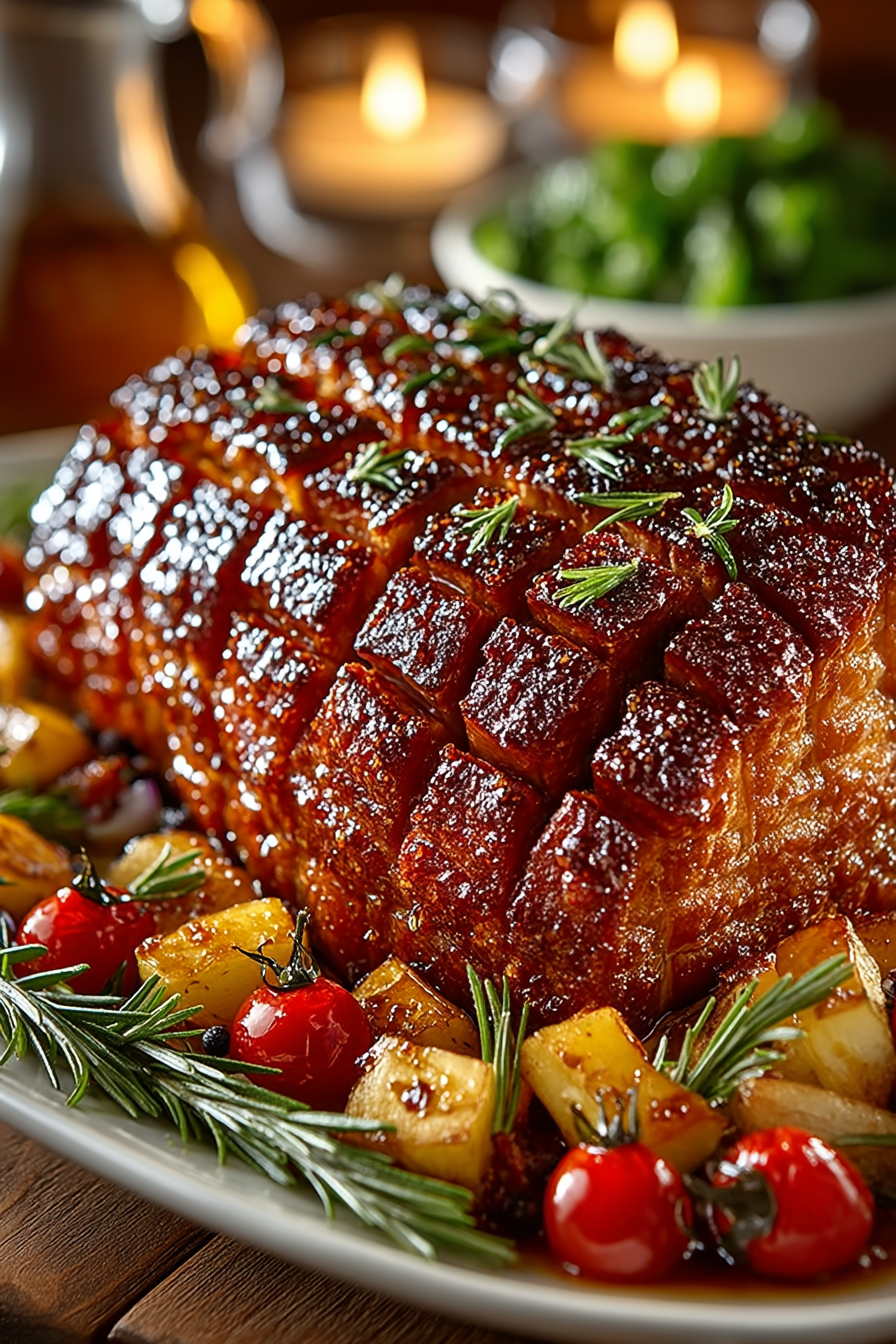
There’s something truly special about a beautiful glazed ham gracing your holiday table. This easy glazed ham recipe has become my go-to centerpiece for Easter, Christmas, and family gatherings because it looks absolutely stunning while requiring minimal effort in the kitchen. The magic happens when a simple homemade glaze caramelizes in the oven, creating a gorgeous mahogany crust that your guests will be raving about.
I’ve tested this easy glazed ham recipe dozens of times, and I’m thrilled to share my foolproof method with you. What makes this approach so special is that you don’t need fancy ingredients or culinary school credentials—just a few pantry staples and about three hours of mostly hands-off baking time. The best glazed ham recipe is one that tastes incredible without keeping you chained to the kitchen.
Whether you’re cooking for two or twenty, this simple ham glaze comes together in minutes and transforms even a basic ham into a show-stopping main course. Let me walk you through exactly how to cook glazed ham so it comes out perfectly every single time.
Why You’ll Love This Easy Glazed Ham Recipe
- Incredibly Simple: This easy glazed ham recipe uses just five main ingredients for the glaze—no complicated techniques required.
- Hands-Off Cooking: After 15 minutes of prep, the oven does virtually all the work while you attend to other dishes or relax with guests.
- Impressive Results: The beautiful caramelized exterior and tender, juicy interior make this look like you spent hours in the kitchen.
- Crowd-Pleasing Flavor: The honey glazed ham style hits that perfect balance of sweet, savory, and slightly tangy that appeals to almost everyone.
- Make-Ahead Friendly: You can prepare the glaze the day before and score your ham in advance, making day-of cooking stress-free.
- Versatile Centerpiece: This baked glazed ham works beautifully for holidays, Sunday dinners, or special celebrations any time of year.
Ingredients You’ll Need
The beauty of this easy glazed ham recipe lies in its simplicity. You’ll start with a quality ham—I prefer bone-in varieties for maximum flavor, though boneless works just fine. The glaze relies on a handful of pantry staples that you likely already have on hand.
For the simple ham glaze component, we’re talking brown sugar, honey, Dijon mustard, and a few other flavor boosters. These ingredients work together to create a sticky, caramelized coating that keeps the ham moist while developing that coveted golden-brown exterior that makes people’s eyes light up at dinner time.
For the Ham
- 1 whole bone-in or boneless ham (7-10 pounds, fully cooked)
- 1/2 cup water or pineapple juice (for the baking pan)
For the Simple Ham Glaze
- 1 cup packed brown sugar (light or dark works)
- 1/2 cup honey (or maple syrup)
- 2 tablespoons Dijon mustard (adds tangy depth)
- 2 tablespoons apple cider vinegar (or white vinegar)
- 1 tablespoon ground cloves (optional but recommended)
- 1/2 teaspoon black pepper (freshly ground)
- 2 tablespoons butter (helps glaze adhere)
Optional Add-ins:
- pineapple rings
- maraschino cherries
- fresh thyme or rosemary
- bourbon or rum
How to Make Easy Glazed Ham Recipe (Step-by-Step)
1. Prepare Your Ham
Preheat your oven to 325°F (165°C). Remove the ham from the refrigerator about 30 minutes before cooking—this helps it heat evenly.
Pro tip: Room temperature ham cooks more evenly than cold ham, resulting in a juicier final product.
Place your ham cut-side down in a roasting pan. Pour water or pineapple juice into the bottom of the pan (not over the ham)—this creates steam that keeps the meat moist during baking.
Pro tip: Pineapple juice adds subtle sweetness that complements the glaze beautifully.
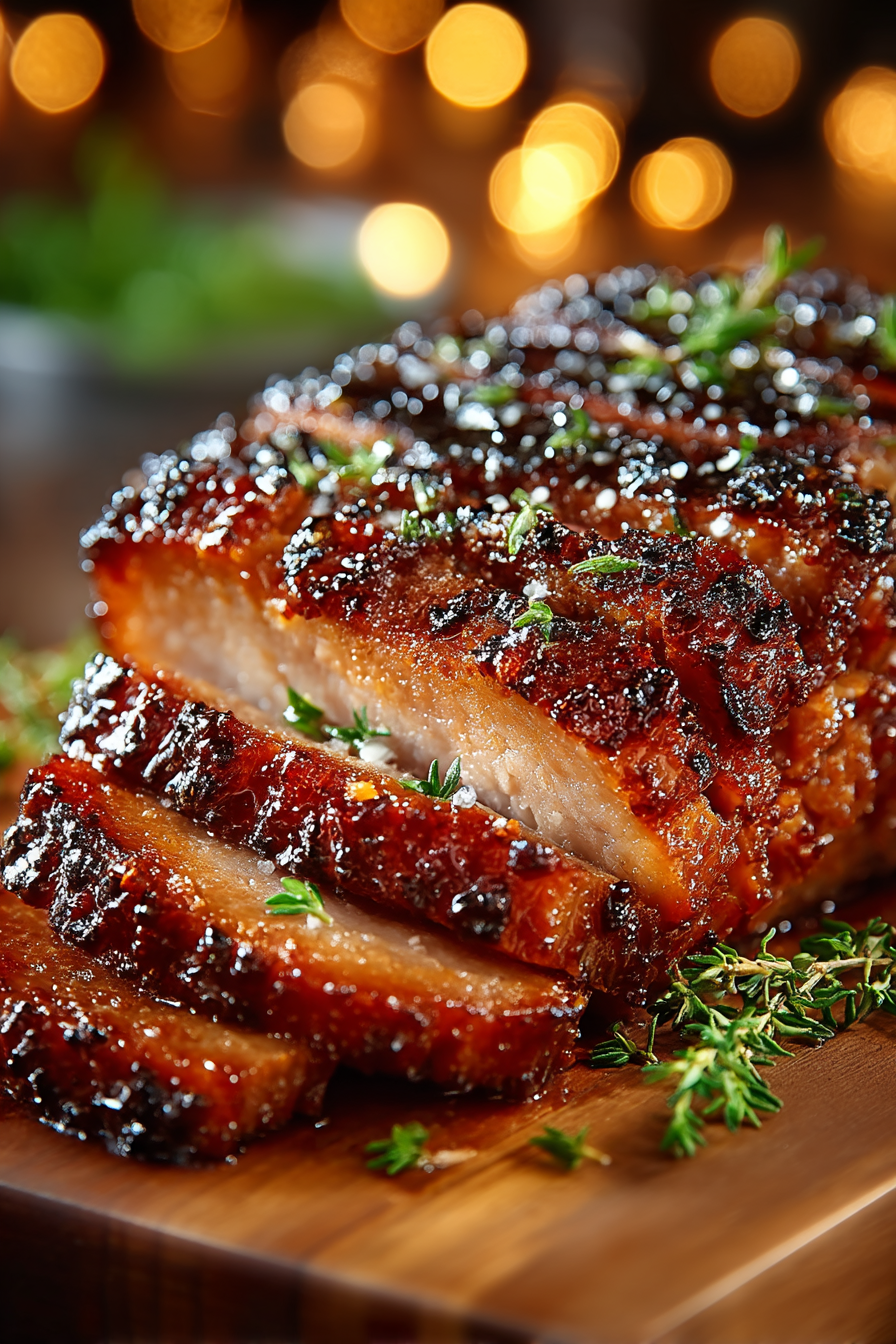
Using a sharp knife, score the top of the ham in a crosshatch pattern, cutting about 1/4 inch deep. Don’t cut into the meat itself—just score the fat layer. Space your cuts about 1 inch apart.
Pro tip: Scoring allows the glaze to penetrate and helps render the fat for a crispy exterior.
2. Make the Simple Ham Glaze
In a medium saucepan over low heat, combine brown sugar, honey, Dijon mustard, apple cider vinegar, cloves, and black pepper.
Pro tip: Warm the mixture gently—you don’t want to boil off the delicate flavors.
Stir continuously until the brown sugar completely dissolves and the mixture becomes smooth and glossy, about 3-4 minutes. Remove from heat and stir in the butter until fully incorporated.
Pro tip: The butter creates a more cohesive glaze that adheres better to the ham’s surface and creates a silkier texture.
Set the glaze aside to cool slightly for about 5 minutes before your first application.
Pro tip: Slightly cooled glaze is easier to work with and less likely to run off the ham immediately.
3. Initial Baking Phase
Cover the roasting pan tightly with aluminum foil. This covers the ham loosely and traps steam, which keeps the meat incredibly moist during the first phase of cooking.
Pro tip: Don’t skip this step—the foil is what prevents the ham from drying out during the long bake.
Bake covered for 2 hours at 325°F (165°C). For a 7-10 pound ham, this equals about 12-15 minutes per pound.
Pro tip: You don’t need to baste during this covered phase; the steam does the work.
4. Apply the Glaze
Carefully remove the foil from the roasting pan. Using a basting brush, generously brush the glaze over the entire scored surface of the ham.
Pro tip: Push the glaze into the scored crevices so it gets into every nook and cranny.
Return the ham to the oven uncovered and increase the temperature to 400°F (200°C). Bake for an additional 45-60 minutes.
Pro tip: The higher temperature caramelizes the glaze into that gorgeous mahogany crust we’re after.
Every 15 minutes, baste the ham with the remaining glaze and the pan drippings. Repeat this process 3-4 times during this final phase.
Pro tip: Frequent basting builds layers of glaze and ensures an evenly caramelized exterior.
5. Achieve Perfect Doneness
The ham is done when a meat thermometer inserted into the thickest part (without touching bone) reads 140°F (60°C). Since most hams are pre-cooked, we’re mainly heating them through and caramelizing the glaze.
Pro tip: If your ham is labeled ‘cook before eating,’ ensure it reaches 160°F (71°C) instead.
If the glaze is browning too quickly before the ham finishes heating, tent it loosely with foil to prevent burning while the interior continues warming.
Pro tip: Every oven runs differently—trust your meat thermometer more than time estimates.
6. Rest and Garnish
Remove the ham from the oven and let it rest in the pan for 10-15 minutes. This allows the juices to redistribute throughout the meat, resulting in a juicier final product.
Pro tip: Use this resting time to plate other dishes or make gravy from the pan drippings.
If desired, decorate with pineapple rings and maraschino cherries held in place with whole cloves for a classic presentation. Transfer to a serving platter.
Pro tip: Classic decoration isn’t necessary but does elevate the presentation for holiday meals.
Easy Glazed Ham Recipe – Full Recipe
Easy Glazed Ham Recipe
Ingredients
Equipment
Method
- Preheat your oven to 325°F (165°C). Remove the ham from the refrigerator about 30 minutes before cooking—this helps it heat evenly. Pro tip: Room temperature ham cooks more evenly than cold ham, resulting in a juicier final product.
- Place your ham cut-side down in a roasting pan. Pour water or pineapple juice into the bottom of the pan (not over the ham)—this creates steam that keeps the meat moist during baking. Pro tip: Pineapple juice adds subtle sweetness that complements the glaze beautifully.
- Using a sharp knife, score the top of the ham in a crosshatch pattern, cutting about 1/4 inch deep. Don't cut into the meat itself—just score the fat layer. Space your cuts about 1 inch apart. Pro tip: Scoring allows the glaze to penetrate and helps render the fat for a crispy exterior.
- In a medium saucepan over low heat, combine brown sugar, honey, Dijon mustard, apple cider vinegar, cloves, and black pepper. Pro tip: Warm the mixture gently—you don't want to boil off the delicate flavors.
- Stir continuously until the brown sugar completely dissolves and the mixture becomes smooth and glossy, about 3-4 minutes. Remove from heat and stir in the butter until fully incorporated. Pro tip: The butter creates a more cohesive glaze that adheres better to the ham's surface and creates a silkier texture.
- Set the glaze aside to cool slightly for about 5 minutes before your first application. Pro tip: Slightly cooled glaze is easier to work with and less likely to run off the ham immediately.
- Cover the roasting pan tightly with aluminum foil. This covers the ham loosely and traps steam, which keeps the meat incredibly moist during the first phase of cooking. Pro tip: Don't skip this step—the foil is what prevents the ham from drying out during the long bake.
- Bake covered for 2 hours at 325°F (165°C). For a 7-10 pound ham, this equals about 12-15 minutes per pound. Pro tip: You don't need to baste during this covered phase; the steam does the work.
- Carefully remove the foil from the roasting pan. Using a basting brush, generously brush the glaze over the entire scored surface of the ham. Pro tip: Push the glaze into the scored crevices so it gets into every nook and cranny.
- Return the ham to the oven uncovered and increase the temperature to 400°F (200°C). Bake for an additional 45-60 minutes. Pro tip: The higher temperature caramelizes the glaze into that gorgeous mahogany crust we're after.
- Every 15 minutes, baste the ham with the remaining glaze and the pan drippings. Repeat this process 3-4 times during this final phase. Pro tip: Frequent basting builds layers of glaze and ensures an evenly caramelized exterior.
- The ham is done when a meat thermometer inserted into the thickest part (without touching bone) reads 140°F (60°C). Since most hams are pre-cooked, we're mainly heating them through and caramelizing the glaze. Pro tip: If your ham is labeled 'cook before eating,' ensure it reaches 160°F (71°C) instead.
- If the glaze is browning too quickly before the ham finishes heating, tent it loosely with foil to prevent burning while the interior continues warming. Pro tip: Every oven runs differently—trust your meat thermometer more than time estimates.
- Remove the ham from the oven and let it rest in the pan for 10-15 minutes. This allows the juices to redistribute throughout the meat, resulting in a juicier final product. Pro tip: Use this resting time to plate other dishes or make gravy from the pan drippings.
- If desired, decorate with pineapple rings and maraschino cherries held in place with whole cloves for a classic presentation. Transfer to a serving platter. Pro tip: Classic decoration isn't necessary but does elevate the presentation for holiday meals.
Notes
- For a 10-pound ham, calculate approximately 15-18 minutes per pound at 325°F for fully cooked hams. Always use a meat thermometer to verify doneness at 140°F rather than relying solely on timing, as oven temperatures vary significantly.
- The crosshatch scoring is essential for this recipe's success—it allows the glaze to penetrate the fat layer and helps render the fat, creating that crispy exterior while keeping the interior moist.
- Don't discard the pan drippings after cooking. Strain and serve them as a sauce, or simmer with a bit of broth to create a rich gravy that perfectly complements both the ham and your side dishes.
Tips for the Best Easy Glazed Ham Recipe
- Room Temperature is Key: Taking your ham out of the fridge 30 minutes before cooking ensures even heating from edge to center, resulting in a juicier finished product throughout.
- Don’t Skip the Scoring: Those crosshatch cuts allow the glaze to penetrate the fat layer and help it render, creating a crispy-edged exterior with a moist interior.
- Basting Makes the Difference: Frequent basting during the final phase is what transforms this into the best glazed ham recipe—each layer builds flavor and creates that beautiful caramelized crust.
- Use a Meat Thermometer: Since cooking times vary based on oven calibration and ham size, a thermometer takes the guesswork out of doneness and prevents overcooking.
- Capture Those Pan Drippings: Don’t discard the liquid at the bottom of the roasting pan—it makes an incredible sauce or gravy. Strain it and serve alongside the ham.
- Double the Glaze for Large Crowds: If you’re cooking a ham larger than 10 pounds, I recommend doubling the glaze recipe so you have enough for frequent basting and to serve as a sauce.
Variations to Try
- Maple-Bourbon Glazed Ham: Replace honey with pure maple syrup and add 2 tablespoons bourbon for a sophisticated whiskey-forward version perfect for adult gatherings. The bourbon’s vanilla notes complement ham beautifully.
- Tropical Pineapple Glazed Ham: Substitute the apple cider vinegar with pineapple juice and reduce honey to 1/4 cup. This creates a bright, tropical version that’s especially popular with families who enjoy sweeter profiles.
- Brown Sugar Only Version: If you prefer a simpler glaze without honey, use 1.5 cups brown sugar with extra butter (3 tablespoons) and the remaining ingredients. This creates a more straightforward brown sugar glazed ham that’s equally delicious.
- Spiced Pomegranate Glaze: Add 1/4 teaspoon cayenne pepper and 1/4 cup pomegranate juice for a version with sophisticated heat and fruity complexity that works beautifully for fall gatherings.
- Herb-Forward Holiday Version: Whisk 1 tablespoon fresh thyme and 1 tablespoon fresh rosemary into the glaze for an herbaceous take that’s perfect for those who prefer savory over sweet flavors.
Storage and Meal Prep Tips
- Refrigerator Storage: Leftover glazed ham keeps well for 3-4 days when covered and refrigerated. Slice thin for sandwiches or cube for fried rice and casseroles.
- Freezer Storage: Wrap cooled ham pieces tightly in plastic wrap and foil, then freeze for up to 2 months. Label with the date so you remember when you froze it.
- Reheating Instructions: Warm slices gently in a 325°F oven with a little broth or water for 10-12 minutes to prevent drying out. Never use high heat on leftover ham.
- Meal Prep Ideas: Dice leftovers into meal-prep containers with roasted vegetables for grab-and-go lunches throughout the week, or use in breakfast scrambles and quiches.
- Bone Broth Bonus: Don’t discard the ham bone! Simmer it with vegetables and water to make an incredibly flavorful broth for soups and side dishes.
Nutritional Benefits
This easy glazed ham recipe provides excellent protein for muscle maintenance and recovery, making it a satisfying main course that keeps you full. Ham also contains important B vitamins, particularly B12 and thiamine, which support energy metabolism and nervous system function. The honey and brown sugar in the glaze provide quick energy from carbohydrates, while the spices offer antioxidant benefits.
- Protein-Rich: A 3-ounce serving delivers approximately 20 grams of lean protein for muscle building and satiety
- B Vitamins: Contains selenium, zinc, and B vitamins essential for thyroid function and immunity
- Iron Content: Provides heme iron, the most easily absorbed form of iron for energy and oxygen transport
- Nutrient Dense: Per serving offers significant amounts of phosphorus and potassium for bone and heart health
What to Serve With Easy Glazed Ham Recipe
- Creamy Scalloped Potatoes: The rich, cheesy potato dish complements the sweet glaze perfectly and provides a comforting contrast. Prepare these while the ham rests for seamless timing.
- Roasted Vegetables with Balsamic: Brussels sprouts, carrots, and parsnips roasted until caramelized offer earthy flavors that balance the ham’s sweetness beautifully.
- Green Bean Casserole: A classic that never disappoints—the creamy sauce and crispy fried onions provide texture contrast to the tender ham and complement holiday meals.
- Honey Cornbread: The sweetness echoes the ham’s glaze while cornbread’s slight corn flavor adds complexity. Serve warm with butter for the ultimate comfort food pairing.
- Fresh Garden Salad with Citrus Vinaigrette: After a rich ham meal, a bright, acidic salad provides a refreshing palate cleanser and brings balance to the overall dining experience.
Frequently Asked Questions
How long do you bake a glazed ham?
For a fully cooked ham, bake for approximately 15-18 minutes per pound at 325°F. Our easy glazed ham recipe recommends 2 hours covered, then 45-60 minutes uncovered while glazing. Use a meat thermometer to ensure it reaches 140°F (60°C) in the thickest part, as this is more accurate than relying on time alone since oven temperatures vary.
What’s the best temperature to cook a glazed ham?
Start at 325°F (165°C) for the initial covered baking phase, which gently heats the ham through while keeping it moist. Then increase to 400°F (200°C) for the final uncovered glazing phase, which caramelizes the glaze into that beautiful mahogany crust. This two-temperature approach ensures a perfectly cooked interior with a gorgeous exterior.
Should you cover ham while cooking?
Yes, this easy glazed ham recipe calls for covering the ham with foil for the first 2 hours of cooking. The foil traps steam that keeps the meat incredibly moist and prevents it from drying out. Remove the foil for the final 45-60 minutes when you apply the glaze and want the exterior to caramelize.
What’s the difference between honey glazed ham and brown sugar glazed ham?
Both are delicious versions of a simple ham glaze, but they emphasize different flavor notes. Honey glazed ham highlights floral sweetness and creates a shinier finish, while brown sugar glazed ham offers deeper molasses notes and slightly richer caramelization. Our easy glazed ham recipe combines both for the best of both worlds—the depth of brown sugar with honey’s smoothness and slight floral notes.
Can you make glazed ham ahead of time?
Absolutely! You can prepare the glaze the day before and store it in the refrigerator. You can also score the ham and let it sit covered in the fridge overnight. On the day of serving, simply bring everything to room temperature and follow the baking instructions as written. This advance preparation makes day-of cooking much less stressful for holiday entertaining.
Final Thoughts
There’s genuine magic in watching your guests’ faces light up when they see this beautiful easy glazed ham recipe emerge from the oven. The caramelized exterior glistens under the light, the aroma fills your kitchen with warmth and comfort, and the first taste confirms that this masterpiece took far less effort than it appears. This is one of those recipes that delivers restaurant-quality results without requiring advanced culinary skills or hours of active cooking time.
I’ve shared this simple ham glaze recipe at countless family gatherings, and it’s consistently received rave reviews. Even experienced cooks have asked for my technique because the results are so impressive. Whether this is your first time making a baked glazed ham or you’re looking to improve your tried-and-true method, this approach delivers consistently beautiful, delicious results every single time.
Ready to Try It?
Ready to impress your family and friends with an easy glazed ham recipe that tastes like you spent all day in the kitchen? Gather your ingredients, preheat that oven, and prepare to receive the compliments you deserve. Your holiday table is about to look absolutely stunning, and the best part is knowing that you created this masterpiece with confidence. Share your beautiful ham photos in the comments below—I’d love to see how yours turns out!