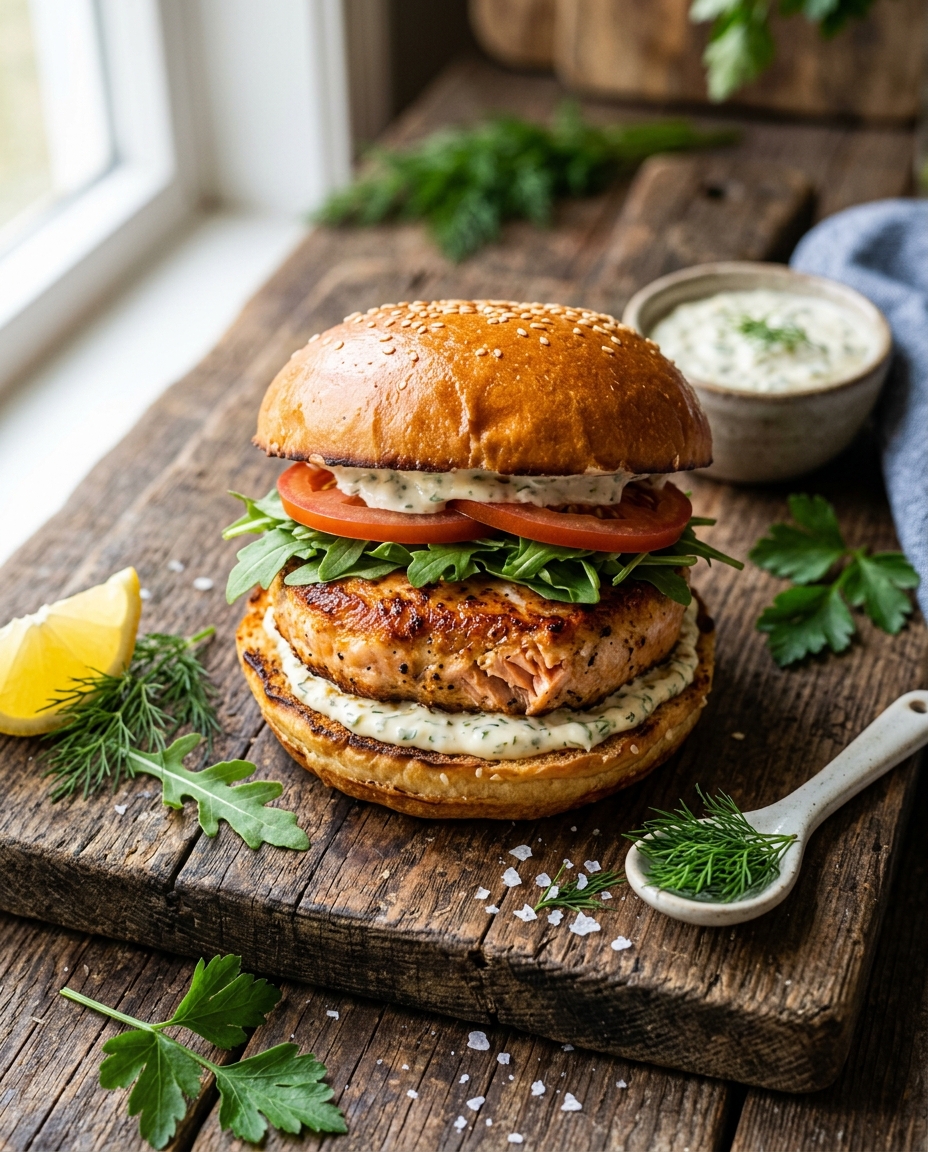
If you’re looking for a game-changing weeknight dinner that’s both nutritious and absolutely delicious, this salmon burgers recipe is about to become your new favorite. Unlike traditional beef burgers, homemade salmon burgers are packed with omega-3 fatty acids, lean protein, and a delicate flavor that elevates your burger experience to something truly special. I’ve been making these for years, and they never fail to impress both my family and dinner guests who are skeptical about non-beef burgers.
The beauty of this best salmon burger recipe lies in its simplicity and versatility. You can pan-sear them for a weeknight meal, grill them for summer cookouts, or batch-prep them for meal prep throughout the week. With crispy exteriors and moist, flaky interiors, these easy salmon patties taste like they came from a fancy restaurant, but they’re surprisingly simple to make at home.
Whether you’re trying to eat healthier, impress someone special, or simply tired of the same old burgers, I’m thrilled to share my perfected salmon burgers recipe with you today. Let’s dive in!
Why You’ll Love This Perfect Salmon Burgers Recipe
- Packed with Omega-3s: Salmon is one of the richest sources of heart-healthy omega-3 fatty acids, making this burger a genuinely nutritious choice without sacrificing flavor.
- Quick and Easy: These homemade salmon burgers come together in about 30 minutes total, making them perfect for busy weeknights when you want something restaurant-quality but don’t have hours to spend cooking.
- Versatile Cooking Methods: Pan-sear them indoors, grill them outside, or even bake them—this salmon burgers recipe works beautifully with any cooking method.
- Impressive Yet Approachable: Your guests will think you spent all day preparing these, but you’ll know it took minimal effort and maximum flavor.
- Meal Prep Friendly: Make a batch on Sunday and reheat throughout the week for easy, healthy lunches or quick dinners.
- Customizable Toppings: These patties are the perfect canvas for creative salmon burger toppings, from classic tartar sauce to trendy avocado spreads.
Ingredients You’ll Need
The key to exceptional homemade salmon burgers is using quality ingredients and not overworking the mixture. I prefer using fresh salmon when possible, though canned salmon works in a pinch. The binding ingredients—panko breadcrumbs and an egg—keep everything together without making the burgers dense or bread-heavy.
For these easy salmon patties, you’ll notice I keep the ingredient list intentionally focused. The salmon should be the star, with supporting flavors that enhance rather than mask its natural deliciousness. Fresh dill, lemon zest, and Dijon mustard are my non-negotiables, but I’ve included some optional ingredients for those wanting extra flavor complexity.
For the Salmon Burgers
- 1.5 pounds fresh salmon (skin removed) (or one 14.75 oz can salmon, drained)
- 1/2 cup panko breadcrumbs (use gluten-free for GF option)
- 1 large egg (room temperature)
- 3 tablespoons fresh dill (finely chopped) (or 1 tablespoon dried dill)
- 2 tablespoons Dijon mustard (adds tang and helps bind)
- 1 tablespoon lemon zest (freshly grated)
- 2 tablespoons fresh lemon juice (about 1 lemon)
- 1/4 teaspoon sea salt (adjust to taste)
- 1/8 teaspoon black pepper (freshly ground)
- 2 tablespoons olive oil (for cooking)
For Serving
- 4 count burger buns (brioche, whole wheat, or gluten-free)
- 4 tablespoons tartar sauce or aioli (or your favorite sauce)
- 1 cup fresh lettuce or arugula (for serving)
- 2 count tomatoes (sliced) (optional)
Optional Add-ins:
- garlic (1 clove, minced)
- capers (1 tablespoon, chopped)
- red onion (2 tablespoons, finely diced)
- Old Bay seasoning (1/4 teaspoon)
How to Make Perfect Salmon Burgers Recipe (Step-by-Step)
1. Prepare the Salmon
If using fresh salmon, run your hands along the flesh to check for any remaining bones. Use tweezers or small pliers to remove any pin bones you find. Pat the salmon dry with paper towels—this is crucial for achieving a better texture in your final patties.
Pro tip: Wet salmon will make your burger mixture too moist, so don’t skip this drying step
Cut the salmon into bite-sized chunks and place in a large mixing bowl. For canned salmon, simply drain thoroughly and add to the bowl, breaking up any large chunks with a fork.
Pro tip: Cold salmon from the fridge will be easier to handle than room temperature
2. Make the Burger Mixture
Add the panko breadcrumbs, egg, fresh dill, Dijon mustard, lemon zest, lemon juice, sea salt, and black pepper to the bowl with your salmon.
Pro tip: Have all ingredients measured and ready before you start mixing
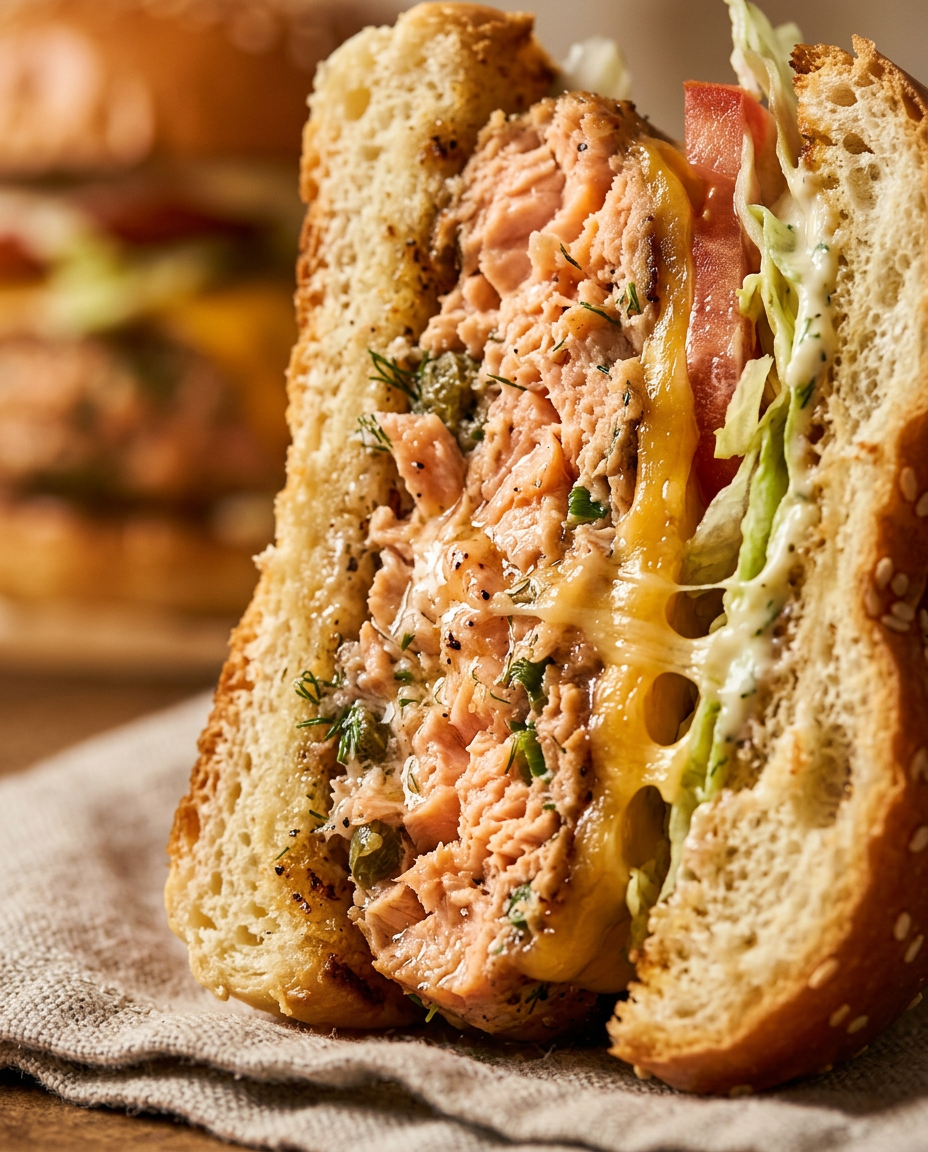
Using a fork or your hands (clean hands work best), gently fold and combine the ingredients until just mixed. This is the most important step—do not overmix or you’ll develop the proteins too much and create dense, tough patties. You want a chunky texture where you can still see pieces of salmon.
Pro tip: The mixture should just hold together; if it feels too wet, add another tablespoon of breadcrumbs
3. Shape and Chill the Patties
Divide the mixture into 4 equal portions. Using your hands, gently shape each portion into a burger patty about 3/4 inch thick. These homemade salmon burgers should be slightly larger than your buns, as they’ll shrink a bit during cooking.
Pro tip: Slightly wet hands prevent the mixture from sticking to your skin
Place the shaped patties on a plate lined with parchment paper, cover with plastic wrap, and refrigerate for at least 15-20 minutes. This allows them to firm up and makes them much easier to cook without falling apart.
Pro tip: You can refrigerate them for up to 4 hours, or freeze them for later use
4. Cook Your Salmon Burgers
Heat 2 tablespoons of olive oil in a cast iron skillet or non-stick pan over medium-high heat until shimmering. Once the oil is hot, carefully place your chilled salmon patties into the pan, working in batches if necessary to avoid crowding.
Pro tip: Don’t move the burgers around—let them develop a golden crust for 3-4 minutes before flipping
Cook for 3-4 minutes on the first side until golden brown and slightly crispy. Gently flip each patty and cook for another 3-4 minutes on the second side. Pan-seared salmon burgers are done when they’re opaque throughout and flake easily with a fork.
Pro tip: If you have a thermometer, aim for 145°F internal temperature, which is the FDA recommendation for cooked salmon
5. Toast the Buns
While your burgers finish cooking, lightly butter your burger buns and toast them cut-side down in a separate skillet or toaster oven for 1-2 minutes until golden and crispy.
Pro tip: Toasted buns prevent soggy burgers and add a delicious textural contrast
6. Assemble and Serve
Spread tartar sauce or your preferred salmon burger topping on the bottom bun. Layer with lettuce or arugula, your hot salmon patty, tomato slices if using, and the top bun.
Pro tip: Lettuce acts as a moisture barrier, keeping your bun from getting soggy
Perfect Salmon Burgers Recipe – Full Recipe
Perfect Salmon Burgers Recipe
Ingredients
Equipment
Method
- If using fresh salmon, run your hands along the flesh to check for any remaining bones. Use tweezers or small pliers to remove any pin bones you find. Pat the salmon dry with paper towels—this is crucial for achieving a better texture in your final patties. Pro tip: Wet salmon will make your burger mixture too moist, so don't skip this drying step
- Cut the salmon into bite-sized chunks and place in a large mixing bowl. For canned salmon, simply drain thoroughly and add to the bowl, breaking up any large chunks with a fork. Pro tip: Cold salmon from the fridge will be easier to handle than room temperature
- Add the panko breadcrumbs, egg, fresh dill, Dijon mustard, lemon zest, lemon juice, sea salt, and black pepper to the bowl with your salmon. Pro tip: Have all ingredients measured and ready before you start mixing
- Using a fork or your hands (clean hands work best), gently fold and combine the ingredients until just mixed. This is the most important step—do not overmix or you'll develop the proteins too much and create dense, tough patties. You want a chunky texture where you can still see pieces of salmon. Pro tip: The mixture should just hold together; if it feels too wet, add another tablespoon of breadcrumbs
- Divide the mixture into 4 equal portions. Using your hands, gently shape each portion into a burger patty about 3/4 inch thick. These homemade salmon burgers should be slightly larger than your buns, as they'll shrink a bit during cooking. Pro tip: Slightly wet hands prevent the mixture from sticking to your skin
- Place the shaped patties on a plate lined with parchment paper, cover with plastic wrap, and refrigerate for at least 15-20 minutes. This allows them to firm up and makes them much easier to cook without falling apart. Pro tip: You can refrigerate them for up to 4 hours, or freeze them for later use
- Heat 2 tablespoons of olive oil in a cast iron skillet or non-stick pan over medium-high heat until shimmering. Once the oil is hot, carefully place your chilled salmon patties into the pan, working in batches if necessary to avoid crowding. Pro tip: Don't move the burgers around—let them develop a golden crust for 3-4 minutes before flipping
- Cook for 3-4 minutes on the first side until golden brown and slightly crispy. Gently flip each patty and cook for another 3-4 minutes on the second side. Pan-seared salmon burgers are done when they're opaque throughout and flake easily with a fork. Pro tip: If you have a thermometer, aim for 145°F internal temperature, which is the FDA recommendation for cooked salmon
- While your burgers finish cooking, lightly butter your burger buns and toast them cut-side down in a separate skillet or toaster oven for 1-2 minutes until golden and crispy. Pro tip: Toasted buns prevent soggy burgers and add a delicious textural contrast
- Spread tartar sauce or your preferred salmon burger topping on the bottom bun. Layer with lettuce or arugula, your hot salmon patty, tomato slices if using, and the top bun. Pro tip: Lettuce acts as a moisture barrier, keeping your bun from getting soggy
Notes
- Don't overmix the burger mixture—gently fold ingredients together until just combined for the best texture
- Chill patties for at least 15-20 minutes before cooking to prevent them from falling apart during cooking
- For make-ahead convenience, form raw patties and freeze for up to 3 months, then cook directly from frozen
Tips for the Best Perfect Salmon Burgers Recipe
- Use Fresh When Possible: While canned salmon works perfectly fine, fresh salmon will give you a slightly better texture and cleaner flavor. Look for wild-caught salmon when available.
- Don’t Overmix: This is the number one reason homemade salmon burgers turn out mushy or dense. Mix just until combined—you want to see chunks of salmon throughout.
- Chill Before Cooking: Cold patties hold together much better during cooking. Even just 15 minutes in the fridge makes a huge difference.
- Grilled Salmon Burgers: If using a grill, oil the grates well and cook over medium heat for 4-5 minutes per side. Place patties perpendicular to the grates to prevent them from falling through.
- Make-Ahead Magic: Form your patties, freeze them on a baking sheet, then transfer to freezer bags. Cook directly from frozen, just add 2-3 extra minutes per side.
- Sauce Selection Matters: These burgers pair beautifully with lemon aioli, classic tartar sauce, sriracha mayo, or even a simple garlic-herb spread.
Variations to Try
- Asian-Inspired Salmon Burgers: Replace the dill with cilantro, add 1 tablespoon soy sauce, 1 teaspoon sesame oil, and 1/2 teaspoon grated ginger. Serve with wasabi mayo and pickled cucumber.
- Mediterranean Style: Mix in 2 tablespoons sun-dried tomato paste, 1/4 cup crumbled feta cheese, and 2 tablespoons kalamata olives (finely chopped). Top with tzatziki sauce and fresh cucumber slices.
- Cajun Salmon Burgers: Add 1 teaspoon Cajun seasoning, 1/2 teaspoon smoked paprika, and a pinch of cayenne pepper. Serve on brioche buns with spicy remoulade and crispy bacon.
- Baked Salmon Burgers: Place shaped patties on a greased baking sheet and bake at 400°F for 12-15 minutes until cooked through. No oil needed, making this the lightest cooking method.
- Salmon Burger Sliders: Form the mixture into 8 smaller patties instead of 4 and reduce cooking time to 2-3 minutes per side. Perfect for appetizers or party platters.
Storage and Meal Prep Tips
- Refrigerator: Store cooked salmon burgers in an airtight container for up to 3 days. Reheat gently in a 350°F oven for 5-7 minutes or in a skillet over medium heat with a splash of water.
- Freezer (Cooked): Cool completely, wrap individually in plastic wrap and foil, then freeze for up to 2 months. Thaw in the refrigerator overnight before reheating.
- Freezer (Raw Patties): Form patties, freeze on a baking sheet until solid (about 2 hours), then transfer to freezer bags. Cook directly from frozen, adding 2-3 minutes per side to cooking time. Use within 3 months.
- Meal Prep Strategy: Make a double batch on Sunday, cook half for the week, and freeze the raw patties for later. This gives you flexibility throughout the month.
Nutritional Benefits
These salmon burgers pack an impressive nutritional punch that makes them feel like an indulgence while actually supporting your health goals. Salmon is renowned for its omega-3 fatty acids, which support heart and brain health, but it also provides high-quality protein for muscle maintenance and satiety.
- Omega-3 Fatty Acids: Salmon is one of the richest dietary sources of EPA and DHA, supporting cardiovascular and cognitive function
- Lean Protein: Each burger provides substantial protein with a fraction of the saturated fat found in beef burgers
- Selenium and Vitamin D: Salmon is an excellent source of these often-deficient nutrients, crucial for immune function and bone health
- B Vitamins: Particularly B12 and niacin, essential for energy metabolism and nervous system function
What to Serve With Perfect Salmon Burgers Recipe
- Crispy Oven Fries: Cut potatoes into wedges, toss with olive oil and herbs, and roast at 425°F for 25-30 minutes until golden and crispy. Serve alongside your burger for a complete meal.
- Fresh Coleslaw: Tangy cabbage slaw with a light vinegar-based dressing cuts through the richness of the salmon and adds a refreshing crunch.
- Grilled Vegetables: Pair with grilled asparagus, zucchini, or bell peppers brushed with olive oil and seasoned with salt and lemon.
- Sweet Potato Fries: These orange fries are naturally sweet and pair beautifully with the savory salmon, especially with a sriracha mayo dip.
- Light Summer Salad: Serve your burger deconstructed over a bed of mixed greens with tomatoes, cucumber, and a lemon vinaigrette for a lower-carb option.
Frequently Asked Questions
Can I make salmon burgers ahead of time and freeze them?
Absolutely! Form your patties and freeze them on a baking sheet until solid (about 2 hours), then transfer to freezer bags for up to 3 months. You can cook them directly from frozen—just add 2-3 minutes to the cooking time per side. Alternatively, cook them fully, cool completely, wrap individually, and freeze for up to 2 months. Reheat gently in a 350°F oven.
What’s the best way to cook salmon burgers without them falling apart?
The key is to chill your patties for at least 15-20 minutes before cooking—this allows them to firm up significantly. Additionally, don’t overmix the burger mixture when combining ingredients, as overworking develops the salmon proteins and creates a dense texture that crumbles. Finally, avoid moving the burgers around in the pan; let them develop a golden crust before flipping, which helps hold them together.
Can I use canned salmon instead of fresh for this recipe?
Yes, canned salmon works perfectly well! Use one 14.75 oz can of salmon, drained thoroughly. If your canned salmon still has bones, you can eat them (they’re soft and rich in calcium) or remove them with tweezers. The texture will be slightly different from fresh—slightly more delicate—but the flavor will still be delicious. This option is also more budget-friendly and convenient.
How do I know when my salmon burgers are fully cooked?
Your salmon burgers are done when they’re opaque throughout and flake easily with a fork. The internal temperature should reach 145°F according to FDA guidelines—use an instant-read thermometer inserted into the thickest part of the patty. When cooked properly, the exterior will be golden brown and slightly crispy while the interior remains moist and tender.
What’s the difference between pan-seared and grilled salmon burgers?
Pan-searing on the stovetop gives you more control over the heat and typically results in a crispier, golden-brown exterior—perfect for weeknight dinners. Grilling adds a smoky flavor and attractive char marks, ideal for summer cookouts. For grilling, oil your grates well and cook over medium heat for 4-5 minutes per side. Pan-searing takes about 6-8 minutes total, while grilling may take slightly longer. Both methods produce delicious results; choose based on your preference and equipment available.
Final Thoughts
After countless family dinners and impressed dinner guests, I can confidently say that homemade salmon burgers have earned a permanent spot in my weekly meal rotation. They’re the perfect intersection of restaurant-quality taste, impressive presentation, and genuine ease of preparation. Whether you’re looking to incorporate more omega-3s into your diet, expand beyond traditional beef burgers, or simply want something different for dinner tonight, this salmon burgers recipe delivers every single time.
The beauty of mastering this recipe is the endless customization possibilities. Start with the classic version to get comfortable with the technique, then experiment with the variations I’ve shared or create your own signature salmon burger that reflects your flavor preferences. Your family will wonder why you haven’t been making these all along!
Ready to Try It?
Ready to transform your burger game? Head to your kitchen today and make this salmon burgers recipe—I promise you won’t regret it. If you give this recipe a try, I’d absolutely love to hear how it turns out! Leave a comment below with your favorite toppings, variations, or any tweaks you made. And if you make these for friends or family, tag me on social media—I love seeing your culinary creations! Happy cooking! 🐟