Spring is finally here, and you know what that means – it’s time to start thinking about Easter desserts that will impress your family and friends! If you’re looking for an easy coconut Easter cake that tastes absolutely delicious without requiring hours in the kitchen, you’ve come to the right place. This recipe has become my go-to Easter dessert over the past few years, and I’m thrilled to share it with you today on AppetizingIdeas.com.
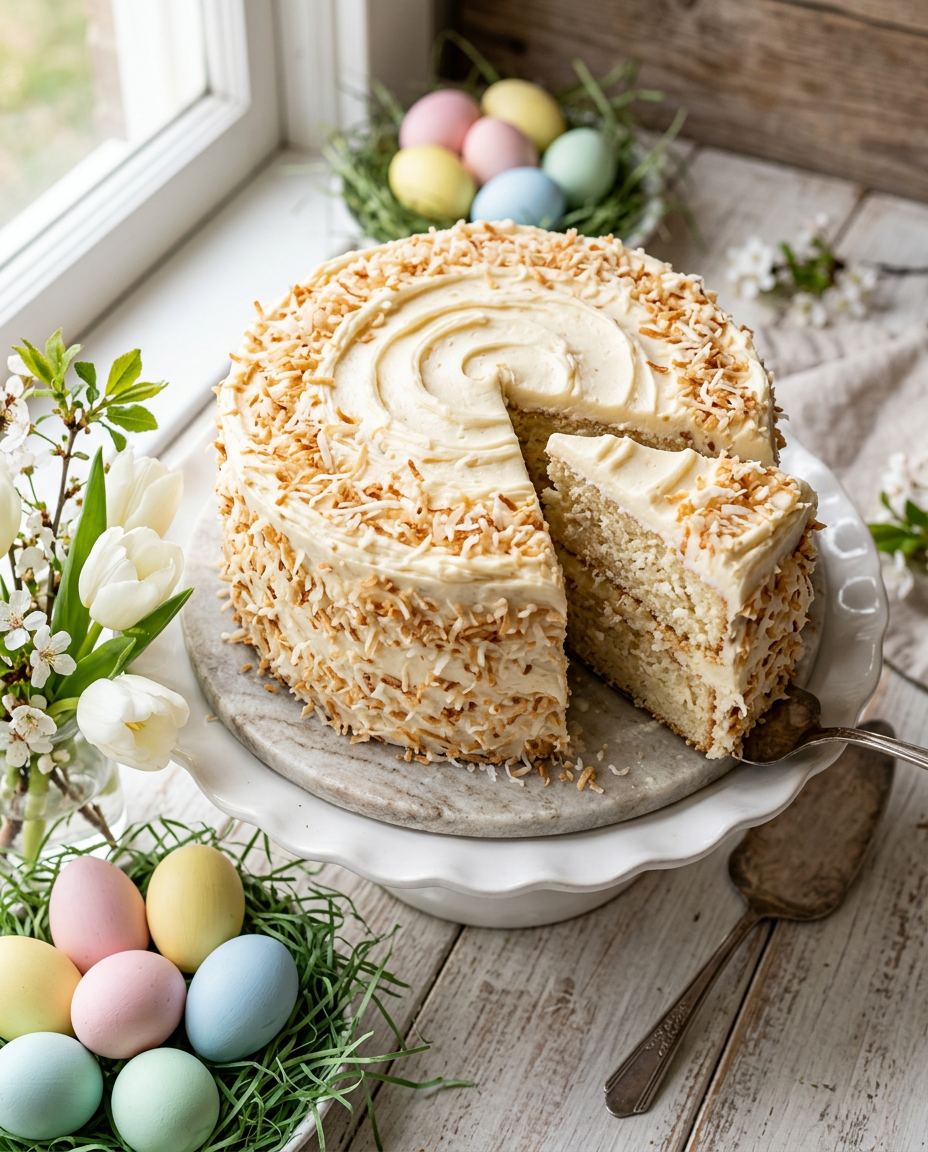
What makes this coconut cake recipe so special is its perfect balance of simplicity and elegance. The moist vanilla cake layers are infused with tropical coconut flavor, paired with a creamy coconut frosting and finished with toasted coconut flakes that add a delightful crunch. Even if you’re not an experienced baker, this easy coconut Easter cake comes together beautifully, making it the ideal choice for anyone wanting to create memorable spring baking without stress.
Whether you’re hosting a large Easter brunch or preparing a sweet treat for your immediate family, this homemade Easter dessert will have everyone asking for seconds. The best part? You’ll have fresh-baked cake in your home in just under three hours, and most of that time is hands-off baking and cooling.
Why You’ll Love This Easy Coconut Easter Cake Recipe
- Surprisingly Simple: This easy coconut Easter cake requires basic ingredients you likely already have in your pantry. No special techniques or complicated instructions – just straightforward steps that guarantee success.
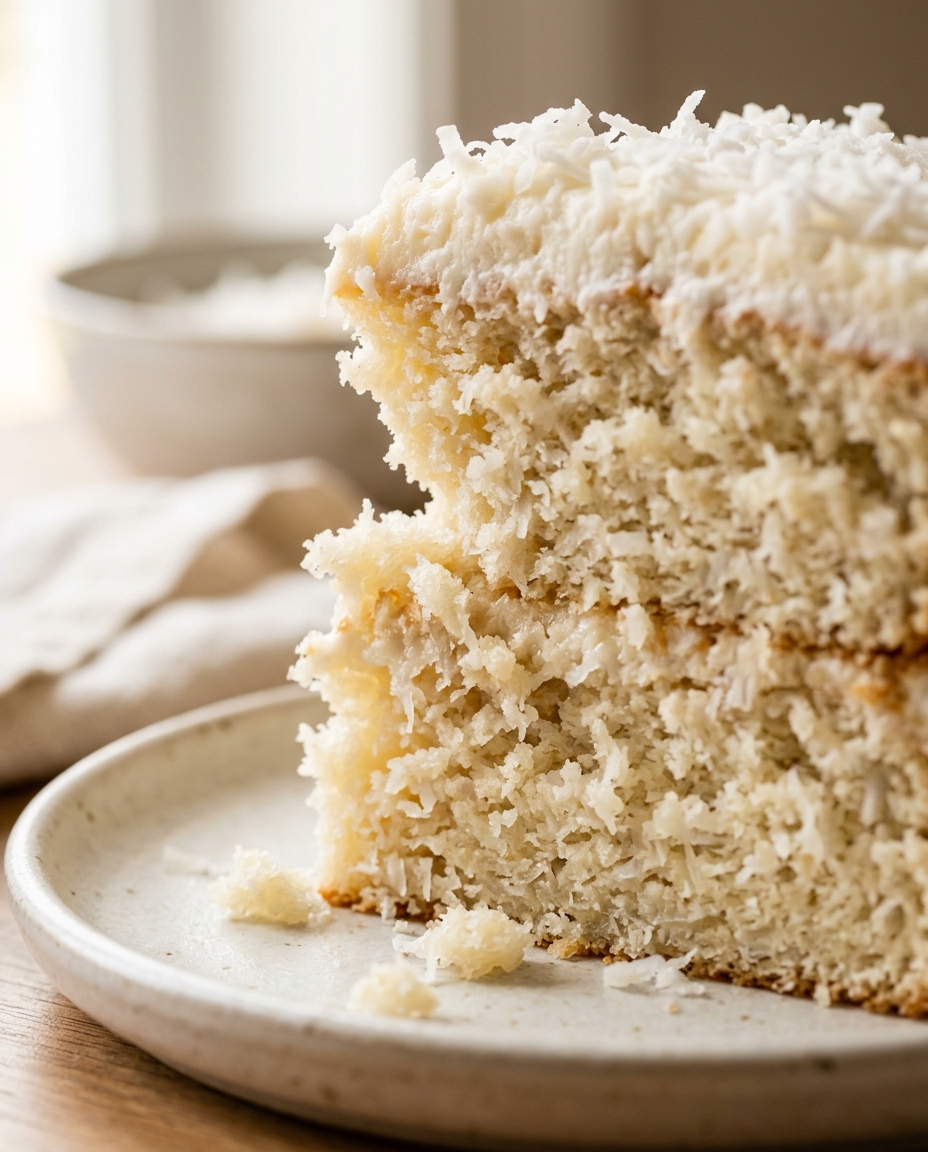
- Incredibly Moist: Thanks to the combination of shredded coconut in the batter and coconut milk in the frosting, every bite stays tender and flavorful. This cake actually improves after a day or two as flavors meld together.
- Naturally Festive: The white cake with coconut frosting and toasted coconut garnish screams spring without requiring elaborate decorations. It’s elegant enough for your Easter gathering but casual enough for everyday enjoyment.
- Versatile for Spring Entertaining: This coconut Easter treat works beautifully for Easter brunches, spring celebrations, or any springtime occasion. Serve it with fresh berries, whipped cream, or even a light lemon curd.
- Make-Ahead Friendly: Bake the layers a day ahead, frost the day of the party, and you’ve eliminated most of your baking stress. The frosting can even be prepared two days in advance.
- Budget-Conscious Baking: Quality ingredients don’t need to break the bank. This simple coconut cake costs just a fraction of what you’d pay at a bakery, yet tastes like you spent all day perfecting it.
Ingredients You’ll Need
The beauty of this easy coconut Easter cake lies in its straightforward ingredient list. For the cake layers, we’re using all-purpose flour, sugar, eggs, butter, and coconut milk – classic baking staples that create a tender crumb. The addition of shredded coconut gives us that tropical flavor without any artificial ingredients. For the frosting, we’re keeping things simple with butter, powdered sugar, and more coconut milk to create a frosting that’s smooth, spreadable, and authentically coconut-flavored.
One pro tip: make sure your butter and eggs are at room temperature before you start. This small step makes a huge difference in creating an even, light cake crumb. Room temperature ingredients mix more thoroughly, incorporating air that makes your simple coconut cake rise beautifully in the oven.
For the Cake Layers
- 2 1/4 cups all-purpose flour (spooned and leveled)
- 2 teaspoons baking powder (aluminum-free preferred)
- 1/2 teaspoon salt (fine sea salt)
- 1/2 cup unsweetened shredded coconut (plus 1/2 cup for toasting and garnish)
- 1/2 cup butter (room temperature, unsalted)
- 1 1/4 cups granulated sugar
- 3 large eggs (room temperature)
- 1 teaspoon vanilla extract (pure vanilla)
- 1/2 cup coconut milk (full-fat, well-shaken)
For the Coconut Frosting
- 1/2 cup butter (room temperature, unsalted)
- 3 cups powdered sugar (sifted)
- 3 tablespoons coconut milk (full-fat)
- 1 teaspoon coconut extract (optional but recommended)
- 1/4 teaspoon salt
Optional Add-ins:
- cream cheese
- fresh lemon juice
- food coloring
How to Make Easy Coconut Easter Cake Recipe (Step-by-Step)
1. Prepare Your Pans and Preheat
Preheat your oven to 350°F (175°C). Grease two 9-inch round cake pans with butter or cooking spray, then line the bottoms with parchment paper. This prevents sticking and makes cake removal effortless. For extra insurance, flour the greased sides lightly.
Pro tip: Using parchment paper guarantees your layers come out perfectly intact, which is especially important for this delicate coconut cake.
2. Toast the Coconut for Garnish
Spread 1/2 cup of shredded coconut on a baking sheet. Place in your preheated oven for 5-7 minutes, stirring once halfway through, until the coconut turns light golden brown. Watch carefully as coconut burns quickly! Transfer to a plate to cool completely.
Pro tip: Toasting coconut intensifies its flavor dramatically and adds textural contrast to your easy coconut Easter cake. Don’t skip this step if you want restaurant-quality results.
3. Combine Dry Ingredients
In a medium bowl, whisk together the flour, baking powder, salt, and 1/2 cup untoasted shredded coconut. Whisking these together ensures even distribution of the leavening agent and prevents lumps in your final batter.
Pro tip: Sift your powdered sugar earlier if you have it, but dry ingredients can be whisked together successfully for this recipe.
4. Cream Butter and Sugar
In a large bowl using an electric mixer (or by hand with vigorous effort), beat the softened butter and granulated sugar together for 3-4 minutes until the mixture is pale, fluffy, and nearly doubled in volume. This step is crucial for incorporating air into your cake.
Pro tip: The creaming stage creates a light, tender crumb. If your mixture doesn’t look fluffy, it hasn’t incorporated enough air yet – keep beating!
5. Combine Wet Ingredients and Mix
Add the eggs one at a time to your butter-sugar mixture, beating well after each addition. Pour in the vanilla extract and mix until combined. The mixture should look light and homogeneous at this point.
Pro tip: Adding eggs individually ensures they incorporate smoothly. If the mixture looks slightly curdled after adding eggs, don’t worry – it will come together once you add dry ingredients.
Alternate adding the dry ingredient mixture and coconut milk, starting and ending with dry ingredients. Begin with 1/3 of the flour mixture, then 1/2 of the coconut milk, another 1/3 of flour, remaining coconut milk, and finally the last 1/3 of flour. Mix on low speed until just combined after each addition.
Pro tip: Overmixing develops gluten, which can make your cake tough. Mix until you see no streaks of flour, then stop. A few lumps are perfectly fine and will smooth out during baking.
6. Bake the Cake Layers
Divide the batter evenly between your prepared pans. Smooth the tops slightly with a spatula. Bake for 28-32 minutes, or until a toothpick inserted in the center comes out with just a few moist crumbs (not wet batter). The cake should spring back lightly when you touch the top center.
Pro tip: Every oven bakes differently, so start checking at 25 minutes. Your easy coconut Easter cake is done when it smells incredible and the tops are light golden brown.
Remove the pans from the oven and let the cakes cool in their pans for 10 minutes. Then turn them out onto cooling racks and allow them to cool completely – at least 1 hour – before frosting.
Pro tip: Cooling completely is essential. Frosting a warm cake will melt and slide right off. This is the perfect time to make your frosting!
7. Prepare the Coconut Frosting and Assemble
Beat the softened butter for about 1 minute until creamy. Gradually add the sifted powdered sugar, beating on medium speed. Add the coconut milk, coconut extract (if using), and salt. Continue beating for 2-3 minutes until the frosting is light, fluffy, and spreadable.
Pro tip: If your frosting seems too thick, add more coconut milk 1 teaspoon at a time. If it’s too thin, add more powdered sugar gradually.
Place your first cooled cake layer on a cake plate or stand. Spread about 3/4 cup of frosting evenly over the top. Place the second layer on top and frost the top and sides of the entire cake with the remaining frosting. Create swirls and peaks with your offset spatula for a homemade look.
Pro tip: For easier frosting, place the cake in the fridge for 15 minutes to firm up the crumb layer before final frosting. This prevents crumbs from mixing into your frosting.
Press the cooled toasted coconut flakes onto the frosting, covering the top and sides generously. This adds both texture and that beautiful Easter-cake aesthetic.
Pro tip: For a more elegant presentation, reserve some toasted coconut for final garnish, sprinkling just on top rather than the sides.
Easy Coconut Easter Cake Recipe – Full Recipe
Easy Coconut Easter Cake Recipe
Ingredients
Equipment
Method
- Preheat your oven to 350°F (175°C). Grease two 9-inch round cake pans with butter or cooking spray, then line the bottoms with parchment paper. This prevents sticking and makes cake removal effortless. For extra insurance, flour the greased sides lightly. Pro tip: Using parchment paper guarantees your layers come out perfectly intact, which is especially important for this delicate coconut cake.
- Spread 1/2 cup of shredded coconut on a baking sheet. Place in your preheated oven for 5-7 minutes, stirring once halfway through, until the coconut turns light golden brown. Watch carefully as coconut burns quickly! Transfer to a plate to cool completely. Pro tip: Toasting coconut intensifies its flavor dramatically and adds textural contrast to your easy coconut Easter cake. Don't skip this step if you want restaurant-quality results.
- In a medium bowl, whisk together the flour, baking powder, salt, and 1/2 cup untoasted shredded coconut. Whisking these together ensures even distribution of the leavening agent and prevents lumps in your final batter. Pro tip: Sift your powdered sugar earlier if you have it, but dry ingredients can be whisked together successfully for this recipe.
- In a large bowl using an electric mixer (or by hand with vigorous effort), beat the softened butter and granulated sugar together for 3-4 minutes until the mixture is pale, fluffy, and nearly doubled in volume. This step is crucial for incorporating air into your cake. Pro tip: The creaming stage creates a light, tender crumb. If your mixture doesn't look fluffy, it hasn't incorporated enough air yet – keep beating!
- Add the eggs one at a time to your butter-sugar mixture, beating well after each addition. Pour in the vanilla extract and mix until combined. The mixture should look light and homogeneous at this point. Pro tip: Adding eggs individually ensures they incorporate smoothly. If the mixture looks slightly curdled after adding eggs, don't worry – it will come together once you add dry ingredients.
- Alternate adding the dry ingredient mixture and coconut milk, starting and ending with dry ingredients. Begin with 1/3 of the flour mixture, then 1/2 of the coconut milk, another 1/3 of flour, remaining coconut milk, and finally the last 1/3 of flour. Mix on low speed until just combined after each addition. Pro tip: Overmixing develops gluten, which can make your cake tough. Mix until you see no streaks of flour, then stop. A few lumps are perfectly fine and will smooth out during baking.
- Divide the batter evenly between your prepared pans. Smooth the tops slightly with a spatula. Bake for 28-32 minutes, or until a toothpick inserted in the center comes out with just a few moist crumbs (not wet batter). The cake should spring back lightly when you touch the top center. Pro tip: Every oven bakes differently, so start checking at 25 minutes. Your easy coconut Easter cake is done when it smells incredible and the tops are light golden brown.
- Remove the pans from the oven and let the cakes cool in their pans for 10 minutes. Then turn them out onto cooling racks and allow them to cool completely – at least 1 hour – before frosting. Pro tip: Cooling completely is essential. Frosting a warm cake will melt and slide right off. This is the perfect time to make your frosting!
- Beat the softened butter for about 1 minute until creamy. Gradually add the sifted powdered sugar, beating on medium speed. Add the coconut milk, coconut extract (if using), and salt. Continue beating for 2-3 minutes until the frosting is light, fluffy, and spreadable. Pro tip: If your frosting seems too thick, add more coconut milk 1 teaspoon at a time. If it's too thin, add more powdered sugar gradually.
- Place your first cooled cake layer on a cake plate or stand. Spread about 3/4 cup of frosting evenly over the top. Place the second layer on top and frost the top and sides of the entire cake with the remaining frosting. Create swirls and peaks with your offset spatula for a homemade look. Pro tip: For easier frosting, place the cake in the fridge for 15 minutes to firm up the crumb layer before final frosting. This prevents crumbs from mixing into your frosting.
- Press the cooled toasted coconut flakes onto the frosting, covering the top and sides generously. This adds both texture and that beautiful Easter-cake aesthetic. Pro tip: For a more elegant presentation, reserve some toasted coconut for final garnish, sprinkling just on top rather than the sides.
Notes
- Make sure all ingredients are at room temperature before starting – this ensures smooth mixing and the lightest possible crumb
- Toast the coconut garnish separately for maximum flavor – it can burn quickly so watch carefully
- For easier assembly, chill the frosted cake layers for 15 minutes before applying final frosting to prevent crumbs
Tips for the Best Easy Coconut Easter Cake Recipe
- Room Temperature Ingredients: This cannot be overstated – room temperature butter, eggs, and milk ensure smooth mixing and a superior crumb structure in your easy coconut Easter cake. Remove these from the fridge 30-45 minutes before baking.
- Toast Your Coconut: Untoasted coconut can taste slightly raw. Toasting brings out the natural sweetness and adds depth of flavor that transforms your simple coconut cake from good to incredible.
- Use Full-Fat Coconut Milk: Don’t reach for the light version. Full-fat coconut milk creates a richer, creamier frosting and more flavorful cake. The coconut flavor is what makes this Easter dessert special.
- Don’t Overmix the Batter: Mix until ingredients are just combined. Overmixing develops gluten, which creates a dense, tough cake rather than the tender layers you want in this coconut layer cake recipe.
- Level Your Cake Layers: If your layers dome in the middle, use a serrated knife or cake leveler to create flat surfaces. This ensures your stacked cake looks professional and stays stable.
- Crumb Coat First: Apply a thin layer of frosting all over the cake, chill for 30 minutes, then apply your final frosting coat. This technique prevents crumbs from ruining your finished look.
Variations to Try
- Pineapple Coconut Cake: Crush one 8-ounce can of pineapple (drained well) and fold it into the batter along with the shredded coconut. Use the pineapple juice to replace half the coconut milk. This creates a tropical twist that’s perfect for spring celebrations.
- Cream Cheese Coconut Frosting: Mix 4 oz softened cream cheese into your frosting ingredients for a tangy, luxurious flavor. This variation is slightly less sweet and adds complexity to your easy coconut Easter cake.
- Single Layer Cake: Bake this recipe in a single 9-inch cake pan for 35-40 minutes, then top generously with frosting and toasted coconut. Perfect for smaller gatherings or if you’re short on oven space.
- Coconut Cake Cupcakes: Divide the batter among lined muffin tins and bake for 16-18 minutes. Frost each cupcake individually and top with toasted coconut for individual Easter treats that are easy to serve and transport.
- Lemon-Coconut Variation: Add 2 tablespoons of fresh lemon juice and 1 tablespoon of lemon zest to the dry ingredients. Add 1 teaspoon of lemon juice to the frosting. The citrus brightens the coconut flavor beautifully in this spring cake.
Storage and Meal Prep Tips
- Room Temperature Storage: Keep your finished easy coconut Easter cake, loosely covered with plastic wrap or under a cake dome, at room temperature for up to 2 days. The frosting holds up well and the cake actually becomes more moist after a day.
- Refrigerator Storage: For longer storage, cover the cake with plastic wrap and refrigerate for up to 5 days. Remove from the fridge 30 minutes before serving to bring to room temperature for best flavor and texture.
- Freezing Unfrosted Layers: Cool the baked cake layers completely, wrap individually in plastic wrap, then aluminum foil. Freeze for up to 2 months. Thaw at room temperature for 2-3 hours before frosting and serving.
- Freezing Frosted Cake: Your finished coconut Easter treat can be frozen for up to 1 month. Freeze uncovered until the frosting firms up (about 3 hours), then wrap well in plastic wrap and foil. Thaw overnight in the refrigerator before serving.
- Storing Leftover Frosting: Keep extra frosting covered in the refrigerator for up to 1 week, or freeze for up to 2 months. Let it come to room temperature and give it a quick stir before using.
- Transporting Your Cake: Use a cake carrier or a 9×13-inch baking dish covered with plastic wrap. A layer of non-slip shelf liner on the bottom of your carrier prevents the cake from sliding during transport.
Nutritional Benefits
This easy coconut Easter cake, while indulgent, contains natural ingredients and provides more nutritional value than store-bought alternatives. The eggs contribute quality protein and choline, important for brain health. Coconut provides medium-chain triglycerides (MCTs) and fiber, which may support sustained energy. The butter offers fat-soluble vitamins A, D, and E. Of course, this is still a dessert meant to be enjoyed in moderation as part of a balanced diet, but it’s made with real ingredients rather than preservatives and artificial flavors.
- Protein: Eggs provide approximately 3g of protein per serving, contributing to satiety
- Fiber: Coconut contributes dietary fiber that supports digestive health
- Vitamins: Butter and eggs provide vitamins A, D, and E
- Natural Ingredients: No artificial flavors, colors, or preservatives – just real coconut, butter, and eggs
- Moderate Sugar: While still a dessert, this recipe contains less sugar than typical boxed cake mixes
What to Serve With Easy Coconut Easter Cake Recipe
- Fresh Berries and Cream: Top slices with fresh strawberries, raspberries, or blueberries and a dollop of whipped cream. The tartness of berries balances the sweetness of your coconut Easter treat beautifully.
- Tropical Fruit Compote: Serve with a simple compote made from diced mango, pineapple, and a squeeze of lime juice. The tropical flavors complement your coconut layer cake recipe naturally.
- Lemon Curd and Coconut: A bright lemon curd provides sophisticated contrast to the rich coconut frosting. Serve a spoonful alongside each slice for an elegant Easter presentation.
- Coconut Milk Coffee: Pair generous slices with strong, hot coffee enriched with coconut milk. The coffee enhances the subtle coconut flavor of this easy coconut Easter cake.
- Champagne or Prosecco: Celebrate Easter with a glass of bubbly alongside a slice. The carbonation and acidity cleanse your palate between bites of the creamy cake.
Frequently Asked Questions
Can I make an easy coconut Easter cake ahead of time for Easter?
Absolutely! Bake the cake layers 1-2 days ahead and store them wrapped in plastic wrap at room temperature or in the fridge. Make the frosting the day before as well. On the day of your Easter party, simply assemble and decorate with toasted coconut. This make-ahead approach eliminates stress and actually improves flavor as the cake has time to settle.
What’s the difference between sweetened and unsweetened shredded coconut for this recipe?
Unsweetened coconut has a pure coconut flavor and allows you to control the sweetness of your easy coconut Easter cake. Sweetened coconut already contains added sugar, which would make your cake too sweet when combined with the frosting. For the best results and to achieve the true coconut flavor profile in this recipe, always use unsweetened shredded coconut.
Can I substitute the coconut milk with regular milk?
While you technically could, the result wouldn’t be the same delicious coconut Easter treat you’re expecting. Coconut milk is essential to the flavor profile of this simple coconut cake and frosting. If you don’t have coconut milk, you could use coconut cream mixed with a bit of water, or even try store-bought coconut-flavored creamer in a pinch, but the authentic coconut flavor would be diminished.
How do I prevent my coconut cake from sinking in the middle?
Sinking usually indicates overbaking or oven temperature issues. Use an oven thermometer to ensure accurate temperature – many home ovens run hot or cold. Don’t open the oven door before 25 minutes. Avoid overmixing the batter, which can cause the cake to rise too much then collapse. Your easy coconut Easter cake should bake for 28-32 minutes until a toothpick shows just a few moist crumbs.
Is this coconut cake recipe naturally gluten-free?
No, this easy coconut Easter cake uses all-purpose wheat flour, so it contains gluten. However, you can make a gluten-free version by substituting the all-purpose flour with a quality 1:1 gluten-free baking flour blend (measure by weight for best results). You may need to add 1/4 teaspoon of xanthan gum if your flour blend doesn’t contain it. The baking time may be slightly shorter, so check at 25 minutes.
Final Thoughts
There you have it – a simple, elegant, and absolutely delicious easy coconut Easter cake that will become your go-to spring dessert for years to come. What I love most about this recipe is how it celebrates fresh, natural coconut flavor without any fussiness. The moist cake layers, creamy frosting, and toasted coconut garnish create a dessert that’s both beautiful and genuinely easy to make, even for bakers just starting out. Your family will be so impressed, and the best part is that you’ll know exactly what ingredients went into every bite.
Easter is a time for gathering with loved ones and creating traditions around the table. This coconut layer cake recipe gives you an opportunity to create something homemade and special without spending all day in the kitchen. Whether you’re baking it for the first time or perfecting your technique over the years, this easy coconut Easter cake is sure to become a beloved addition to your Easter celebration.
Ready to Try It?
Ready to bake something spectacular this Easter? Gather your ingredients, preheat that oven, and get ready to create an easy coconut Easter cake that will have your guests asking for the recipe. Don’t forget to share your results on social media – I’d love to see your beautiful homemade creations! Drop a comment below with your favorite Easter dessert traditions, or let me know if you try any of the flavor variations. Happy baking, and here’s to a delicious, stress-free Easter celebration!