
There’s something truly magical about a steaming bowl of minestrone soup recipe that brings you straight to an Italian grandmother’s kitchen. This classic minestrone soup recipe has been warming tables across Italy for generations, and for good reason—it’s the ultimate comfort food that celebrates fresh vegetables, tender beans, and pasta in perfect harmony. What makes this traditional minestrone recipe so special is its flexibility; you can use whatever vegetables are in season, making it a recipe that’s never quite the same twice but always delicious.
I first fell in love with minestrone during a cooking class in Tuscany, where I learned that the best minestrone soup recipe isn’t about following strict rules—it’s about using quality ingredients and letting them shine together. This homemade vegetable soup is packed with nutrition, remarkably easy to prepare, and absolutely perfect for meal prep or feeding a crowd. Whether you’re looking for an easy minestrone soup for weeknight dinners or want to master a traditional minestrone that’ll impress your family, this recipe is your answer.
What I adore most is that this minestrone with pasta comes together in under an hour, yet tastes like it’s been simmering all day. The combination of cannellini beans, vibrant vegetables, and a tomato-based broth creates a healthy minestrone soup that’s as nourishing as it is delicious. Let me share my favorite method for creating restaurant-quality minestrone at home.
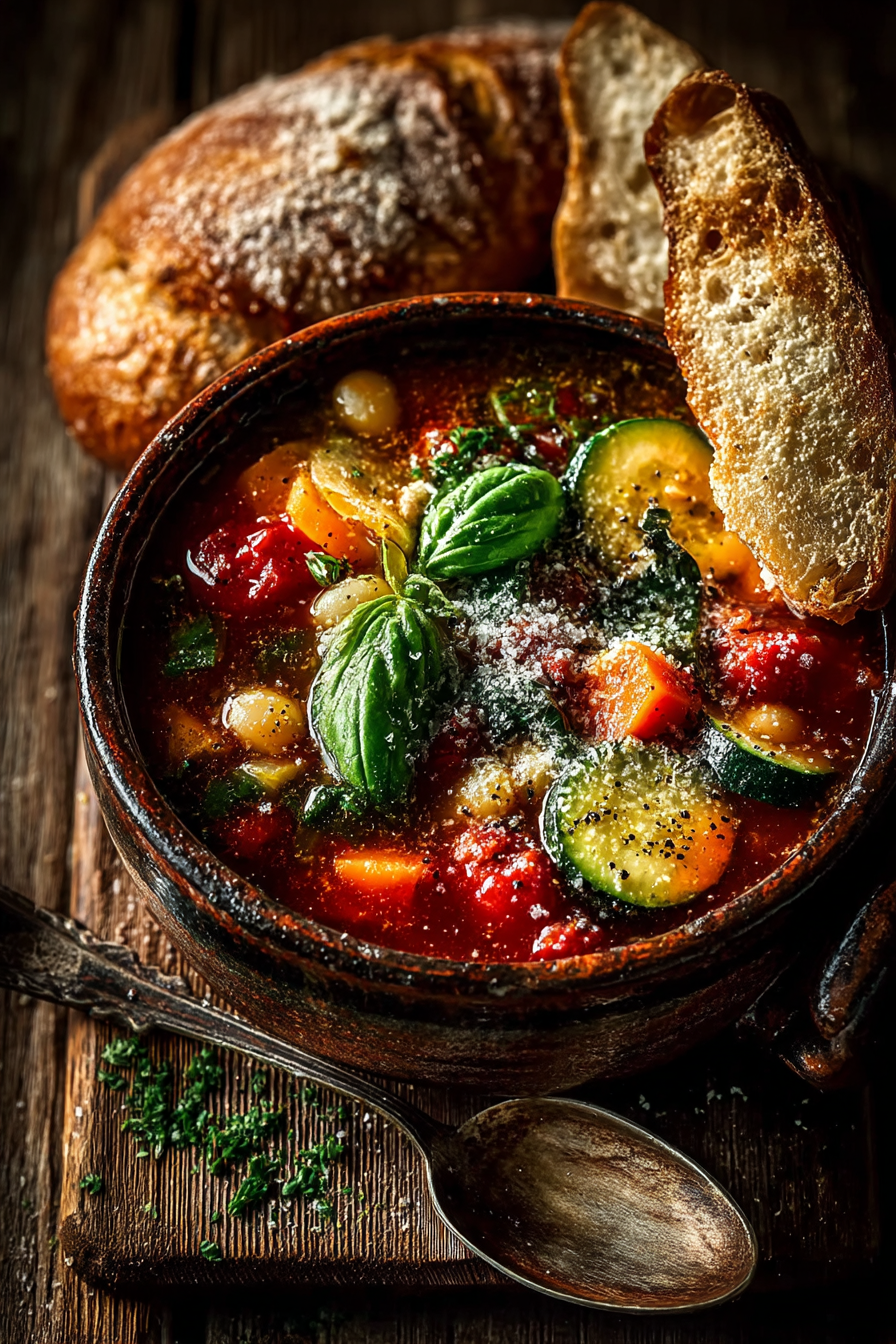
Why You’ll Love This Classic Minestrone Soup Recipe
- Incredibly Versatile: Use any vegetables you have on hand—carrots, celery, zucchini, spinach, or green beans all work beautifully in this minestrone with pasta.
- Budget-Friendly: This bean and vegetable soup uses affordable pantry staples and seasonal produce, making it economical without compromising on flavor.
- Meal Prep Magic: This healthy minestrone soup stores beautifully and actually tastes better the next day as flavors develop and meld together.
- Naturally Vegetarian: This traditional minestrone is meat-free while being completely satisfying thanks to beans and pasta providing protein and substance.
- Quick to Prepare: Despite its complex flavors, this easy minestrone soup comes together in about 45 minutes, perfect for busy weeknight dinners.
- Crowd-Pleasing: From picky eaters to food enthusiasts, everyone loves a warm bowl of this classic minestrone recipe with crusty bread.
Ingredients You’ll Need
The beauty of a great minestrone soup recipe lies in its simplicity—you don’t need exotic ingredients, just quality basics and fresh vegetables. I always start with a solid vegetable base of onions, carrots, and celery (the classic soffritto), then build from there with seasonal produce. The key to an authentic Italian minestrone recipe is using San Marzano tomatoes if possible, good quality olive oil, and fresh herbs like basil and parsley that get added at the end.
For this healthy minestrone soup, I’ve included cannellini beans for creaminess and protein, diced tomatoes for acidity and body, and a combination of fresh vegetables that you can absolutely customize. The pasta goes in toward the end so it doesn’t get mushy, and the Parmesan adds a final touch of umami richness. Don’t skip the finishing drizzle of good olive oil and fresh basil—these final touches transform your minestrone from good to absolutely memorable.
Base and Aromatics
- 3 tablespoons extra virgin olive oil (divided)
- 1 large yellow onion (finely diced)
- 2 medium carrots (peeled and diced)
- 2 stalks celery (diced)
- 4 cloves garlic (minced)
Vegetables and Legumes
- 1 can (28 oz) crushed San Marzano tomatoes (or diced tomatoes)
- 2 cans (15 oz each) cannellini beans (drained and rinsed)
- 2 cups fresh zucchini (diced)
- 1.5 cups green beans (trimmed and cut into 1-inch pieces)
- 1 cup diced bell pepper (red or yellow)
- 2 cups fresh spinach (loosely packed, optional but recommended)
Broth, Pasta, and Seasonings
- 6 cups vegetable broth (or chicken broth)
- 1 cup small pasta (ditalini, elbow, or small shells)
- 1 teaspoon dried oregano
- 1 teaspoon dried basil (or 2 tablespoons fresh)
- 1 bay leaf bay leaf
- 1 teaspoon kosher salt (adjust to taste)
- 0.5 teaspoon black pepper (freshly cracked)
- 2 tablespoons fresh parsley (chopped, for garnish)
- 0.25 cup grated Parmesan cheese (for serving)
Optional Add-ins:
- red pepper flakes
- fresh basil
- balsamic vinegar
- pancetta or prosciutto
How to Make Classic Minestrone Soup Recipe (Step-by-Step)
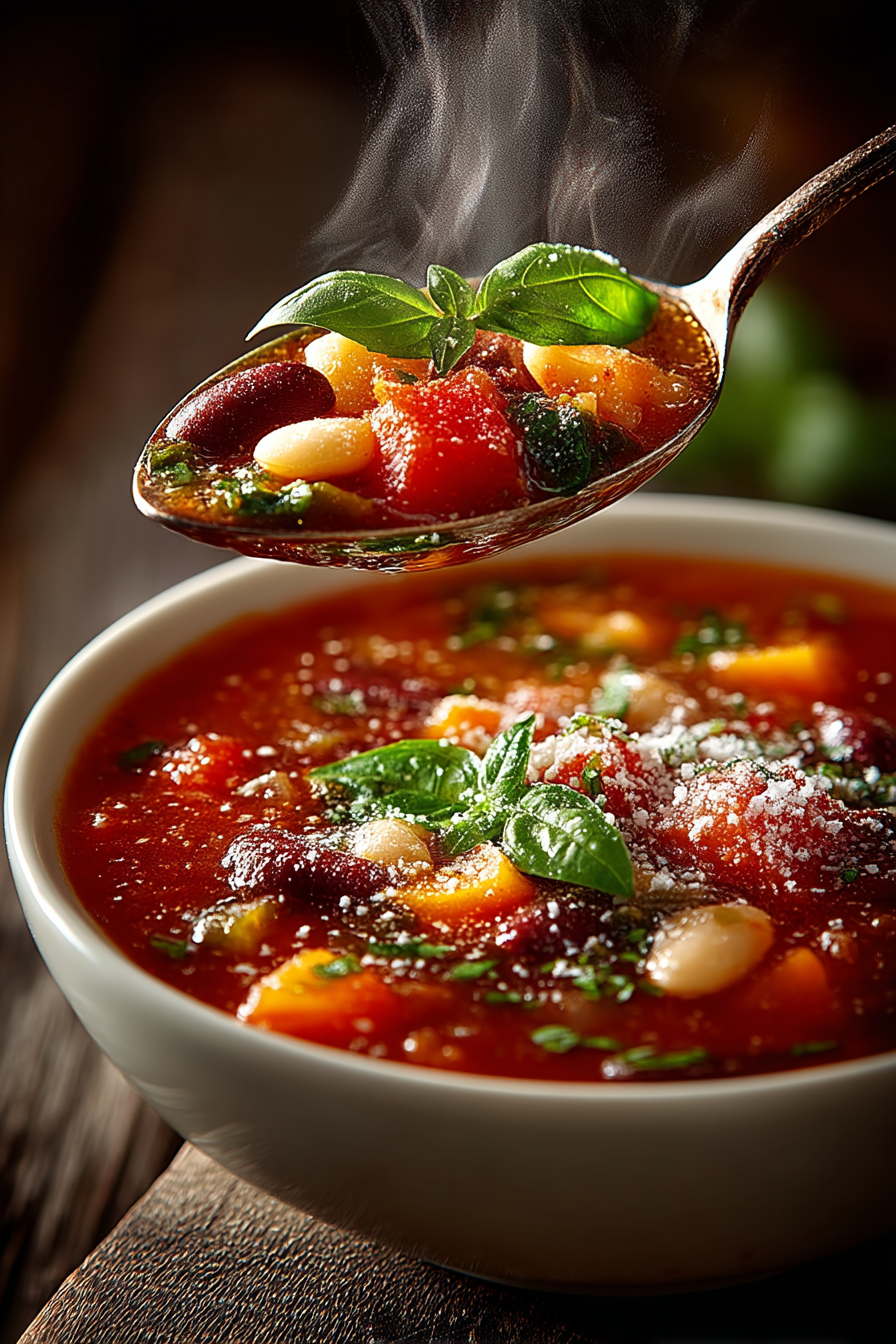
1. Prepare Your Vegetables
Wash all fresh vegetables thoroughly under cold running water. Peel the carrots and onion. Trim the celery stalks and remove any leaves. Finely dice the onion, carrots, and celery into uniform pieces roughly 1/4-inch in size—this helps them cook evenly and creates that traditional minestrone texture.
Pro tip: Pro tip: Cut your vegetables into similar sizes so they cook at the same rate. This is key to a cohesive minestrone with pasta.
Dice your zucchini, bell pepper, and green beans into roughly 1/4-inch to 1/2-inch pieces. Mince your garlic cloves finely. If using fresh spinach, roughly chop it. Having everything prepped before you start cooking makes the process smooth and stress-free.
Pro tip: Mise en place (everything in its place) is essential for making this minestrone soup recipe run smoothly.
2. Build the Flavor Base
Heat 2 tablespoons of olive oil in your large pot over medium heat. Once shimmering, add the diced onion, carrots, and celery. Cook, stirring occasionally, for 8-10 minutes until the vegetables are softened and the onion becomes translucent. This aromatic base—called soffritto in Italian—is the foundation of your minestrone recipe.
Pro tip: Don’t rush this step. The slower, gentle cooking of these vegetables creates a deeper, more complex flavor base that makes all the difference in a traditional minestrone.
Add the minced garlic and cook for another 1-2 minutes, stirring constantly, until fragrant. Be careful not to burn the garlic as it will become bitter. You should smell that wonderful garlicky aroma wafting through your kitchen—this is how you know it’s perfect for your easy minestrone soup.
Pro tip: If your garlic starts to brown, immediately add the tomatoes to prevent burning.
3. Build the Broth
Pour in the crushed tomatoes (with their juices) and stir well, scraping the bottom of the pot to release any caramelized bits. These browned bits add incredible depth to your minestrone. Cook for 2 minutes, stirring occasionally.
Pro tip: San Marzano tomatoes are prized for this recipe because they have fewer seeds and thinner skins, creating a silkier minestrone soup.
Add the vegetable broth, cannellini beans (drained and rinsed), dried oregano, dried basil, bay leaf, salt, and pepper. Stir well to combine. Bring the mixture to a gentle boil, then reduce heat to medium-low. This is the foundation of your healthy minestrone soup.
Pro tip: Rinsing canned beans removes excess sodium and the gassy compounds, making your minestrone with pasta easier to digest.
4. Add Fresh Vegetables
Once your broth is simmering gently, add the diced carrots (if they weren’t fully tender from the soffritto), bell pepper, green beans, and zucchini. Stir well. Let this simmer for 15 minutes until the vegetables are tender-crisp. You want them cooked through but still with a bit of texture.
Pro tip: Adding heartier vegetables (like green beans) before more delicate ones (like zucchini) ensures everything finishes cooking at the same time, crucial for a balanced minestrone recipe.
5. Add the Pasta
Increase heat to bring the soup to a gentle boil. Add the small pasta and cook for 8-10 minutes until al dente (tender but still with a slight bite). Stir occasionally to prevent sticking. This is the signature element that transforms this into a true minestrone with pasta.
Pro tip: Cooking the pasta in the soup itself rather than separately allows it to absorb the flavorful broth, making your minestrone even more delicious. It also saves you a dish!
6. Finish with Fresh Herbs
If using fresh spinach, add it now and stir until it wilts, about 1-2 minutes. Taste your minestrone soup and adjust seasoning with additional salt and pepper as needed. Remove the bay leaf. Stir in fresh parsley and add the final tablespoon of olive oil for richness.
Pro tip: Adding fresh herbs at the very end of cooking this traditional minestrone preserves their bright flavor and aroma—don’t skip this step!
Ladle your finished minestrone into bowls and serve immediately. Top each bowl with grated Parmesan cheese and a sprinkle of fresh basil if desired. A crusty slice of Italian bread alongside is the perfect complement to this classic minestrone recipe.
Pro tip: For the most authentic experience, drizzle a small amount of your best extra virgin olive oil onto each bowl just before serving.
Classic Minestrone Soup Recipe – Full Recipe
Classic Minestrone Soup Recipe
Ingredients
Equipment
Method
- Wash all fresh vegetables thoroughly under cold running water. Peel the carrots and onion. Trim the celery stalks and remove any leaves. Finely dice the onion, carrots, and celery into uniform pieces roughly 1/4-inch in size—this helps them cook evenly and creates that traditional minestrone texture. Pro tip: Pro tip: Cut your vegetables into similar sizes so they cook at the same rate. This is key to a cohesive minestrone with pasta.
- Dice your zucchini, bell pepper, and green beans into roughly 1/4-inch to 1/2-inch pieces. Mince your garlic cloves finely. If using fresh spinach, roughly chop it. Having everything prepped before you start cooking makes the process smooth and stress-free. Pro tip: Mise en place (everything in its place) is essential for making this minestrone soup recipe run smoothly.
- Heat 2 tablespoons of olive oil in your large pot over medium heat. Once shimmering, add the diced onion, carrots, and celery. Cook, stirring occasionally, for 8-10 minutes until the vegetables are softened and the onion becomes translucent. This aromatic base—called soffritto in Italian—is the foundation of your minestrone recipe. Pro tip: Don't rush this step. The slower, gentle cooking of these vegetables creates a deeper, more complex flavor base that makes all the difference in a traditional minestrone.
- Add the minced garlic and cook for another 1-2 minutes, stirring constantly, until fragrant. Be careful not to burn the garlic as it will become bitter. You should smell that wonderful garlicky aroma wafting through your kitchen—this is how you know it's perfect for your easy minestrone soup. Pro tip: If your garlic starts to brown, immediately add the tomatoes to prevent burning.
- Pour in the crushed tomatoes (with their juices) and stir well, scraping the bottom of the pot to release any caramelized bits. These browned bits add incredible depth to your minestrone. Cook for 2 minutes, stirring occasionally. Pro tip: San Marzano tomatoes are prized for this recipe because they have fewer seeds and thinner skins, creating a silkier minestrone soup.
- Add the vegetable broth, cannellini beans (drained and rinsed), dried oregano, dried basil, bay leaf, salt, and pepper. Stir well to combine. Bring the mixture to a gentle boil, then reduce heat to medium-low. This is the foundation of your healthy minestrone soup. Pro tip: Rinsing canned beans removes excess sodium and the gassy compounds, making your minestrone with pasta easier to digest.
- Once your broth is simmering gently, add the diced carrots (if they weren't fully tender from the soffritto), bell pepper, green beans, and zucchini. Stir well. Let this simmer for 15 minutes until the vegetables are tender-crisp. You want them cooked through but still with a bit of texture. Pro tip: Adding heartier vegetables (like green beans) before more delicate ones (like zucchini) ensures everything finishes cooking at the same time, crucial for a balanced minestrone recipe.
- Increase heat to bring the soup to a gentle boil. Add the small pasta and cook for 8-10 minutes until al dente (tender but still with a slight bite). Stir occasionally to prevent sticking. This is the signature element that transforms this into a true minestrone with pasta. Pro tip: Cooking the pasta in the soup itself rather than separately allows it to absorb the flavorful broth, making your minestrone even more delicious. It also saves you a dish!
- If using fresh spinach, add it now and stir until it wilts, about 1-2 minutes. Taste your minestrone soup and adjust seasoning with additional salt and pepper as needed. Remove the bay leaf. Stir in fresh parsley and add the final tablespoon of olive oil for richness. Pro tip: Adding fresh herbs at the very end of cooking this traditional minestrone preserves their bright flavor and aroma—don't skip this step!
- Ladle your finished minestrone into bowls and serve immediately. Top each bowl with grated Parmesan cheese and a sprinkle of fresh basil if desired. A crusty slice of Italian bread alongside is the perfect complement to this classic minestrone recipe. Pro tip: For the most authentic experience, drizzle a small amount of your best extra virgin olive oil onto each bowl just before serving.
Notes
- San Marzano tomatoes create a silkier, more authentic minestrone soup than regular canned tomatoes
- Cooking pasta directly in the minestrone broth allows it to absorb all the flavorful liquid, making every bite delicious
- This minestrone recipe freezes beautifully for up to 3 months, making it perfect for batch cooking and busy week lunches
Tips for the Best Classic Minestrone Soup Recipe
- Vegetable Variations: This bean and vegetable soup is forgiving—use carrots, celery, zucchini, green beans, spinach, kale, diced tomatoes, or even cabbage. Frozen vegetables work beautifully if fresh aren’t available, adding them a bit earlier so they have time to thaw and absorb flavors.
- Pasta Matters: Choose small pasta shapes like ditalini, elbow macaroni, or small shells for your minestrone with pasta. These shapes nestle nicely into the broth and create the authentic texture that makes this minestrone recipe so satisfying.
- Make It Ahead: This easy minestrone soup actually tastes better the next day as flavors meld. Make it up to 3 days ahead and store in the refrigerator, or freeze for up to 3 months. Add fresh herbs just before serving for the brightest flavor in your minestrone recipe.
- Broth Quality Matters: Use good quality broth—it’s one of the few ingredients where quality really shows in the final dish. Low-sodium varieties give you better control over seasoning your minestrone.
- Don’t Skip the Finishing Oil: That final drizzle of quality olive oil and fresh basil on your minestrone soup recipe might seem like a small detail, but it transforms the entire experience, adding brightness and richness that elevates this traditional minestrone to restaurant quality.
- Slow Cooker Option: This traditional minestrone works wonderfully in a slow cooker. Sauté the soffritto base first, then add everything except pasta to the slow cooker on low for 6-8 hours. Add pasta and fresh vegetables in the last 30 minutes for perfect minestrone every time.
Variations to Try
- Slow Cooker Minestrone: After sautéing the aromatic base, transfer everything to a slow cooker on low for 6-8 hours. Add pasta and delicate vegetables in the last 30 minutes. This creates a deeply flavorful minestrone soup that’s perfect for busy days.
- Creamy Minestrone: Blend 1 cup of the finished minestrone soup and stir it back in for a creamier consistency, or add 1/4 cup heavy cream or half-and-half. This variation works beautifully with cannellini beans which naturally break down and thicken your minestrone.
- Minestrone Minestrone with Meat: Brown 1/2 pound Italian sausage or ground beef in your pot before adding vegetables, then drain excess fat. This adds richness and protein to your minestrone recipe for those who want a heartier version.
- Tuscan White Bean Minestrone: Substitute cannellini beans with great northern beans or white beans, add kale instead of spinach, and finish with a hearty drizzle of garlic-infused olive oil. This variation honors the rustic minestrone traditions of Tuscany.
- Garden Vegetable Minestrone: Pack this healthy minestrone soup with as many fresh vegetables as you can find—eggplant, artichoke hearts, fennel, or corn. The more vegetables, the healthier and more nutritious your minestrone soup recipe becomes.
Storage and Meal Prep Tips
- Refrigerator: Store your finished minestrone soup recipe in an airtight container for up to 4 days. The flavors actually develop and improve over time, making day-two minestrone even more delicious. Keep the container on a shelf rather than the door for best results.
- Freezer: This healthy minestrone soup freezes beautifully for up to 3 months. I recommend freezing before adding pasta, or letting the minestrone cool completely before freezing. You can also freeze individual portions in freezer-safe containers or bags for easy grab-and-reheat weeknight meals.
- Reheating: Thaw minestrone soup overnight in the refrigerator if frozen. Reheat gently on the stovetop over medium heat, stirring occasionally, until warmed through (about 10-15 minutes). If your minestrone seems too thick, add a splash of broth to restore the desired consistency. Avoid boiling as this can break down vegetables further.
- Meal Prep: This easy minestrone soup is meal-prep gold. Make a double batch and portion into containers for grab-and-go lunches throughout the week. Add fresh basil and Parmesan just before eating for the brightest flavors in your minestrone recipe.
Nutritional Benefits
This healthy minestrone soup is a nutritional powerhouse that delivers serious health benefits without sacrificing flavor. Packed with fiber from beans and vegetables, this minestrone soup recipe supports digestive health and keeps you satisfied for hours. The combination of cannellini beans provides plant-based protein, making this bean and vegetable soup a complete meal that works beautifully for vegetarians and anyone looking to reduce meat consumption. The abundance of colorful vegetables in this traditional minestrone delivers vitamins A and C for immune support, potassium for heart health, and antioxidants from tomatoes.
- High in Fiber: At approximately 7-8 grams of fiber per serving, this minestrone soup supports digestive health and helps maintain steady blood sugar levels.
- Excellent Protein Source: The combination of beans and pasta provides roughly 12-14 grams of protein per serving, making this easy minestrone soup a satisfying, complete meal.
- Rich in Antioxidants: Tomatoes contain lycopene, an antioxidant linked to heart health. The variety of colorful vegetables in this minestrone recipe multiply these protective benefits.
- Low in Fat: This traditional minestrone derives its calories from wholesome carbohydrates and protein rather than excessive fats, making it heart-healthy and nutrient-dense.
- Mineral-Rich: Iron from vegetables and beans, potassium from tomatoes and beans, and calcium from Parmesan cheese make this minestrone soup a mineral powerhouse supporting bone and muscle health.
What to Serve With Classic Minestrone Soup Recipe
- Crusty Italian Bread: Serve thick slices of toasted ciabatta or focaccia alongside your minestrone soup recipe. Drizzle with olive oil and rub with garlic for a traditional Tuscan pairing that lets you soak up every last drop of this delicious minestrone.
- Caprese Salad: The fresh tomato, mozzarella, and basil combination provides a light, refreshing contrast to the warm, hearty minestrone. This pairing is particularly lovely in warmer months when serving this traditional minestrone at room temperature is appealing.
- Grilled Cheese Sandwich: A crispy, melty grilled cheese made with quality cheeses complements the savory richness of minestrone soup recipe beautifully. The creamy cheese balances the vegetable-forward nature of this easy minestrone.
- Simple Green Salad: Toss arugula or mixed greens with lemon vinaigrette and shaved Parmesan to serve alongside your minestrone. The acidic, peppery salad cuts through the richness of this healthy minestrone soup, creating a balanced meal.
- Garlic Knots or Breadsticks: These soft, pillowy Italian bread shapes are perfect for pinching and dipping into your minestrone with pasta. They add comfort and satiety without overwhelming the flavors of this traditional minestrone recipe.
Frequently Asked Questions
Can I make minestrone soup without pasta?
Absolutely! This minestrone soup recipe is equally delicious without pasta. Simply omit the pasta step, or add rice, barley, or farro instead for different textures. The soup is hearty enough with beans and vegetables, though pasta is traditional. Some prefer a lighter version without pasta, especially if serving the minestrone as a first course rather than a main dish.
Is minestrone soup gluten-free?
This traditional minestrone recipe contains regular pasta, which includes gluten. However, making it gluten-free is simple—use gluten-free pasta, or substitute with gluten-free grains like rice or quinoa. The rest of the ingredients in this minestrone soup recipe are naturally gluten-free, so just swap the pasta and you’ll have a completely gluten-free version of this healthy minestrone soup.
What’s the difference between minestrone and vegetable soup?
Minestrone is a specific Italian vegetable soup that traditionally includes beans, pasta, and tomato-based broth. This minestrone soup recipe follows those authentic guidelines. While all minestrone is vegetable soup, not all vegetable soup is minestrone. The pasta and beans are the defining characteristics that make this traditional minestrone distinct from other bean and vegetable soup varieties.
Can I use dry beans instead of canned for minestrone?
Yes, absolutely! Soak 1 cup of dried cannellini beans overnight, then cook them until tender before adding to your minestrone recipe. This will give you fresher-tasting beans and better control over sodium levels in your minestrone soup. Plan on about 2-3 hours of cooking time for dried beans. This traditional minestrone preparation using dried beans is more authentic and economical.
How do I keep my minestrone pasta from getting mushy?
The key is cooking the pasta separately from the minestrone broth or adding it near the end of cooking. In this minestrone soup recipe, we add pasta in the last 10 minutes of cooking. If you’re reheating minestrone soup, store it without pasta and add fresh, cooked pasta when serving to maintain perfect texture. This prevents your easy minestrone soup from becoming mushy and ensures the pasta stays al dente.
Final Thoughts
There’s something deeply satisfying about making your own minestrone soup recipe from scratch. Unlike canned versions, this homemade minestrone captures the essence of Italian home cooking—simple ingredients, careful technique, and a lot of heart. Every time I prepare this traditional minestrone, I’m reminded why it has remained beloved across generations and throughout Italy. The beauty of this easy minestrone soup lies in its honest simplicity and remarkable nutrition, proving that the most delicious foods are often the most wholesome.
I hope you’ll make this minestrone soup recipe your own, adjusting vegetables based on what’s in season and what you have on hand. Whether you’re new to cooking or a seasoned kitchen veteran, this healthy minestrone soup welcomes experimentation and personalization. The technique is straightforward, the ingredients are accessible, and the rewards are immeasurable—both in flavor and the satisfaction of creating something nourishing for yourself and those you love. Welcome to the world of authentic Italian cooking.
Ready to Try It?
I’d absolutely love to hear about your minestrone soup experience! Take a photo of your finished minestrone and share it on social media using #AppetizingIdeasMinestrone, or leave a comment below telling me which vegetables you loved most in this minestrone recipe, any fun variations you tried, or questions about making this traditional minestrone. Your feedback helps me continue creating delicious, approachable recipes that bring joy to your kitchen. Happy cooking!