
There’s something absolutely magical about a well-made easy Greek salad recipe that transports you straight to a sun-drenched Mediterranean island with just one bite. I’ve been making this simple Greek salad for years, and it has become my go-to recipe whenever I need something healthy, refreshing, and completely satisfying. The beauty of an easy Greek salad recipe lies in its simplicity—you don’t need complicated techniques or hard-to-find ingredients; just fresh, quality components combined with the perfect authentic Greek salad dressing.
What I absolutely love about this homemade Greek salad is how quickly it comes together. On busy weeknights when I’m juggling multiple tasks, I can have a nutritious dinner on the table in under 15 minutes. Whether you’re packing lunch for work, preparing a light dinner, or serving guests at a summer gathering, this quick Greek salad delivers restaurant-quality results without any fuss. The combination of crisp vegetables, creamy feta cheese, and briny olives creates layers of flavor that feel indulgent despite being completely healthy.
I’ve experimented with countless variations over the years, but I keep coming back to this straightforward approach. This isn’t just any Greek salad with feta cheese—it’s the recipe that made my family beg for seconds and prompted my neighbor to ask for the formula. Let me share exactly how I make it and the secrets that make it so special.
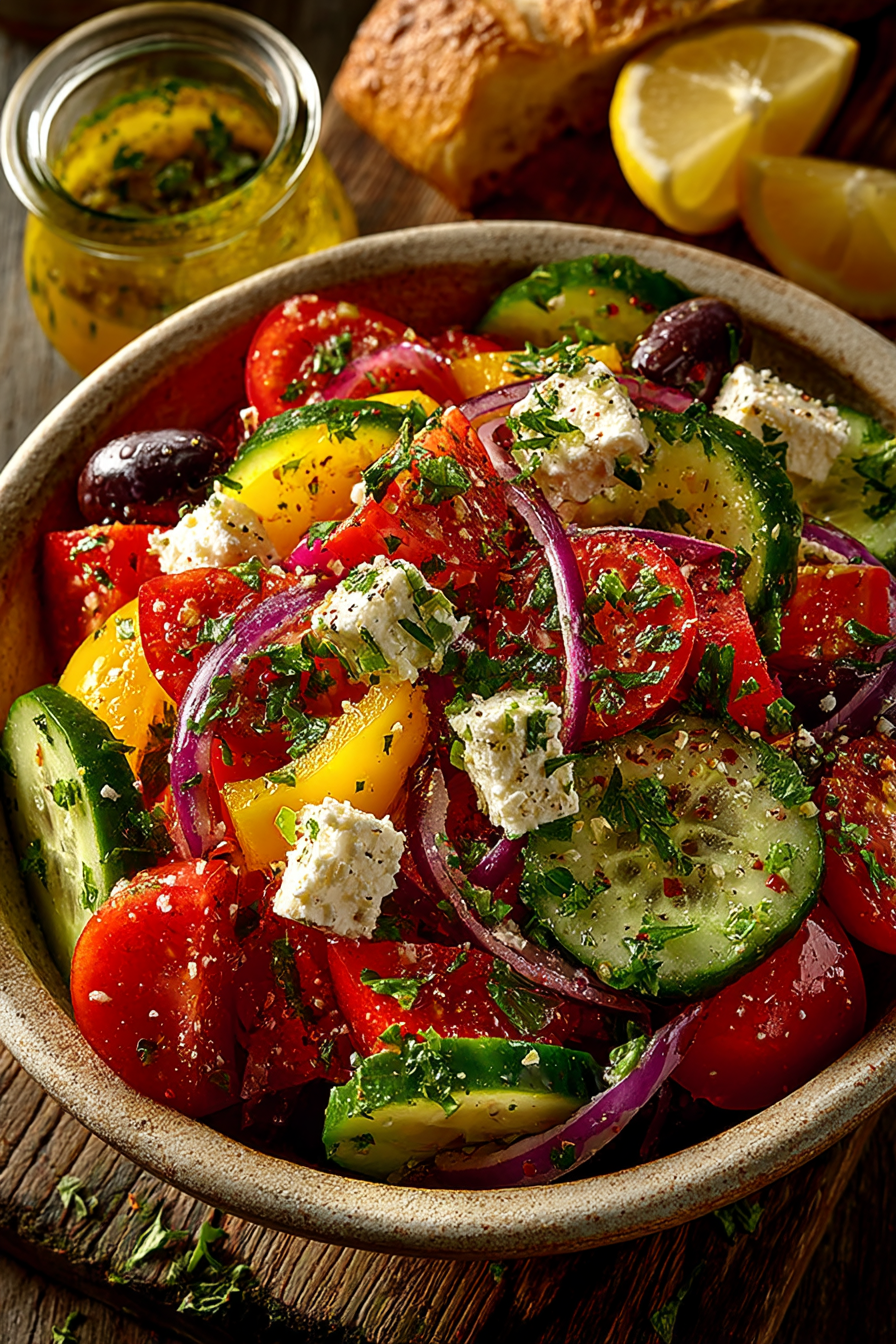
Why You’ll Love This Easy Greek Salad Recipe
- Ready in Minutes: This healthy Greek salad recipe takes just 10-15 minutes from start to finish, making it perfect for busy weeknights and quick meal prep sessions.
- Fresh Mediterranean Flavors: The combination of crisp vegetables, tangy feta, and aromatic herbs creates an authentic taste that feels like you’re dining on a Greek island.
- Naturally Nutrient-Dense: Packed with vitamins, minerals, and healthy fats, this simple Greek salad ingredients list delivers nutrition without sacrifice.
- Budget-Friendly: Made with affordable, everyday ingredients you likely already have in your kitchen, making this Mediterranean Greek salad accessible year-round.
- Endlessly Customizable: The base recipe adapts beautifully to seasonal vegetables, dietary preferences, and personal taste preferences.
- No Cooking Required: Since everything is served fresh and raw, you don’t need to turn on your stove, keeping your kitchen cool and clean.
Ingredients You’ll Need
The magic of an easy Greek salad recipe comes down to selecting the finest ingredients and keeping everything simple. I’m particular about sourcing genuine feta cheese—the difference between authentic Greek feta and imitations is noticeable, and it’s worth the slight investment. Similarly, quality olives and fresh vegetables make all the difference in creating that restaurant-quality taste at home.
One thing I’ve learned is that the Greek salad dressing recipe should be prepared just before serving to maintain optimal freshness and flavor. The combination of olive oil, lemon juice, and herbs creates a dressing that’s both bold and balanced, complementing every ingredient without overpowering the natural vegetable flavors.
For the Salad
- 3 medium tomatoes (cut into chunks or wedges)
- 1 large cucumber (diced or sliced)
- 1 medium red onion (thinly sliced)
- 1 medium bell pepper (preferably red or yellow, chopped)
- 1 1/2 cups Kalamata olives (pitted)
- 8 ounces feta cheese (crumbled or cut into cubes)
- 2 tablespoons fresh parsley (chopped)
- 1 teaspoon dried oregano (or 1 tablespoon fresh)
For the Greek Salad Dressing
- 1/3 cup extra-virgin olive oil (cold-pressed preferred)
- 3 tablespoons fresh lemon juice (from 1-2 fresh lemons)
- 1 tablespoon red wine vinegar (or white wine vinegar)
- 2 cloves garlic (minced very fine)
- 1/2 teaspoon sea salt (adjust to taste)
- 1/4 teaspoon black pepper (freshly ground)
Optional Add-ins:
- cherry tomatoes
- red pepper flakes
- fresh dill
- chickpeas
How to Make Easy Greek Salad Recipe (Step-by-Step)
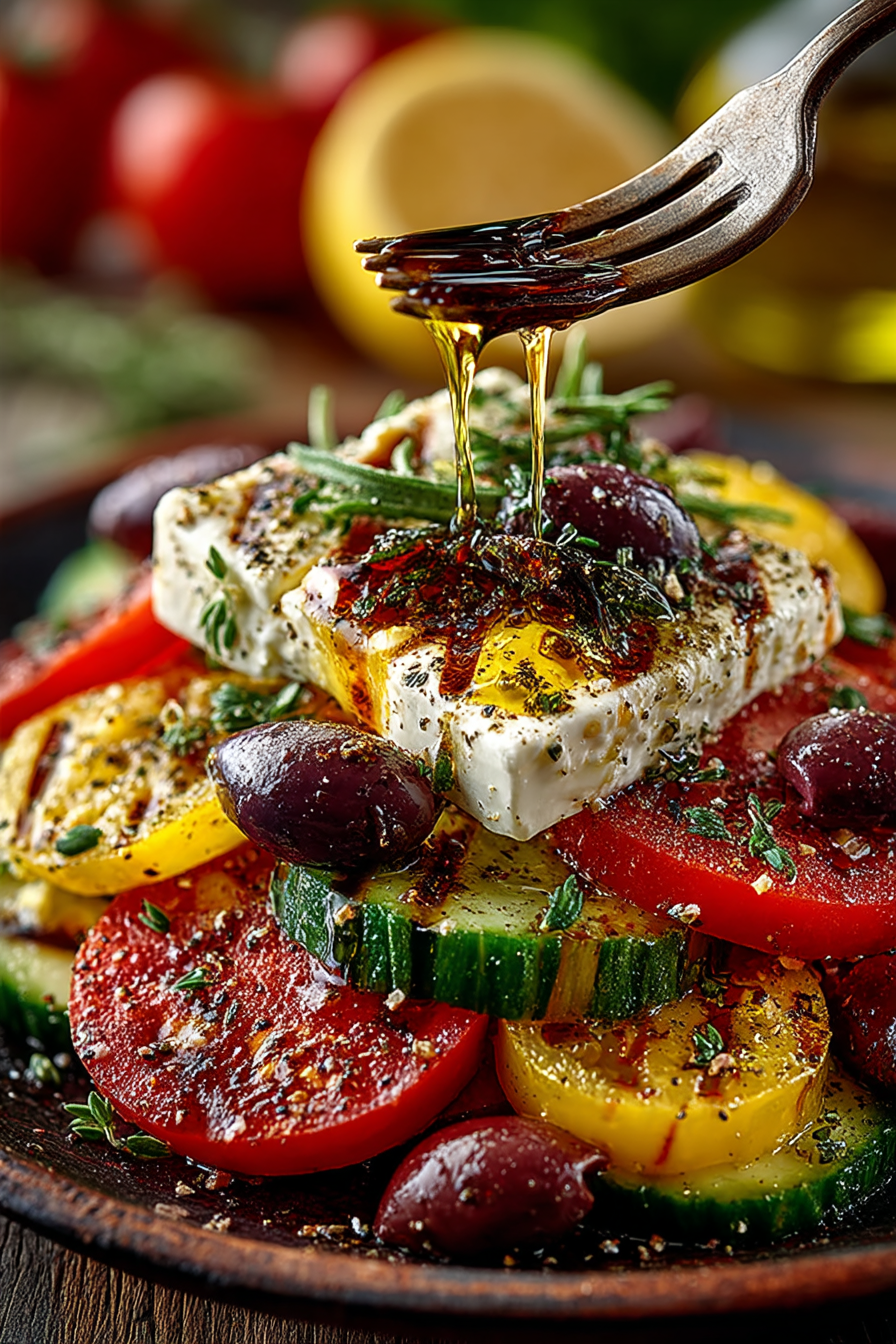
1. Prepare Your Vegetables
Wash all vegetables thoroughly under cool running water and pat them dry with a clean kitchen towel. This ensures the salad won’t be watery and flavors will adhere properly.
Pro tip: Drying vegetables is crucial—excess moisture dilutes the dressing and makes the salad soggy.
Cut the tomatoes into chunks or wedges about 1 to 1.5 inches in size. Remove excess seeds if your tomatoes are very juicy, as this prevents the salad from becoming watery.
Pro tip: For the most authentic Greek salad, cut tomatoes into larger pieces rather than dicing them into small bits.
Dice the cucumber into quarter-inch pieces, leaving the skin on for nutritional benefits and visual appeal. Slice the red onion thinly and chop the bell pepper into bite-sized pieces.
Pro tip: Cut vegetables to roughly the same size for consistent texture and even distribution of flavors.
2. Assemble Your Easy Greek Salad
Place all prepared vegetables in a large mixing bowl: tomatoes, cucumber, red onion, bell pepper, and Kalamata olives. Add the crumbled feta cheese and fresh parsley.
Pro tip: Reserve some feta to sprinkle on top for a professional presentation.
Sprinkle the dried oregano over the vegetables. If using fresh oregano, add it just before serving to maintain its vibrant flavor.
Pro tip: Oregano is the signature herb in Greek cuisine—don’t skip it or substitute with other herbs.
3. Make Your Authentic Greek Salad Dressing
In a small jar with a tight-fitting lid, combine the extra-virgin olive oil, fresh lemon juice, red wine vinegar, minced garlic, sea salt, and black pepper.
Pro tip: Using fresh lemon juice rather than bottled makes a significant difference in the final taste.
Screw the lid on tightly and shake vigorously for about 30 seconds until the dressing is well emulsified. The ingredients should be thoroughly combined and slightly thickened.
Pro tip: Shaking creates a temporary emulsion that distributes the flavors evenly and improves the texture.
Taste the dressing and adjust seasoning as needed. Add more salt, lemon juice, or garlic according to your preference.
Pro tip: The dressing should be bold and tangy—it needs to stand up to the vegetables and cheese.
4. Combine and Toss
Pour the Greek salad dressing recipe mixture over the vegetables and cheese. Using salad servers or two large spoons, gently toss everything together until well coated.
Pro tip: Toss gently to avoid breaking up the feta cheese or crushing the vegetables.
Let the salad sit for 2-3 minutes to allow flavors to meld, then taste and adjust seasoning if needed.
Pro tip: A quick rest allows the vegetables to absorb some of the dressing flavors while remaining crisp.
5. Serve and Present
Transfer your homemade Greek salad to a serving platter or individual bowls. Drizzle any remaining dressing from the bottom of the bowl over the top.
Pro tip: Serve immediately while vegetables are at peak crispness for the best texture and flavor.
Garnish with additional fresh parsley and a few extra olives or feta crumbles if desired. A light drizzle of olive oil adds a finishing touch.
Pro tip: Beautiful presentation makes this Mediterranean Greek salad an impressive dish worthy of any table.
Easy Greek Salad Recipe – Full Recipe
Easy Greek Salad Recipe
Ingredients
Equipment
Method
- Wash all vegetables thoroughly under cool running water and pat them dry with a clean kitchen towel. This ensures the salad won't be watery and flavors will adhere properly. Pro tip: Drying vegetables is crucial—excess moisture dilutes the dressing and makes the salad soggy.
- Cut the tomatoes into chunks or wedges about 1 to 1.5 inches in size. Remove excess seeds if your tomatoes are very juicy, as this prevents the salad from becoming watery. Pro tip: For the most authentic Greek salad, cut tomatoes into larger pieces rather than dicing them into small bits.
- Dice the cucumber into quarter-inch pieces, leaving the skin on for nutritional benefits and visual appeal. Slice the red onion thinly and chop the bell pepper into bite-sized pieces. Pro tip: Cut vegetables to roughly the same size for consistent texture and even distribution of flavors.
- Place all prepared vegetables in a large mixing bowl: tomatoes, cucumber, red onion, bell pepper, and Kalamata olives. Add the crumbled feta cheese and fresh parsley. Pro tip: Reserve some feta to sprinkle on top for a professional presentation.
- Sprinkle the dried oregano over the vegetables. If using fresh oregano, add it just before serving to maintain its vibrant flavor. Pro tip: Oregano is the signature herb in Greek cuisine—don't skip it or substitute with other herbs.
- In a small jar with a tight-fitting lid, combine the extra-virgin olive oil, fresh lemon juice, red wine vinegar, minced garlic, sea salt, and black pepper. Pro tip: Using fresh lemon juice rather than bottled makes a significant difference in the final taste.
- Screw the lid on tightly and shake vigorously for about 30 seconds until the dressing is well emulsified. The ingredients should be thoroughly combined and slightly thickened. Pro tip: Shaking creates a temporary emulsion that distributes the flavors evenly and improves the texture.
- Taste the dressing and adjust seasoning as needed. Add more salt, lemon juice, or garlic according to your preference. Pro tip: The dressing should be bold and tangy—it needs to stand up to the vegetables and cheese.
- Pour the Greek salad dressing recipe mixture over the vegetables and cheese. Using salad servers or two large spoons, gently toss everything together until well coated. Pro tip: Toss gently to avoid breaking up the feta cheese or crushing the vegetables.
- Let the salad sit for 2-3 minutes to allow flavors to meld, then taste and adjust seasoning if needed. Pro tip: A quick rest allows the vegetables to absorb some of the dressing flavors while remaining crisp.
- Transfer your homemade Greek salad to a serving platter or individual bowls. Drizzle any remaining dressing from the bottom of the bowl over the top. Pro tip: Serve immediately while vegetables are at peak crispness for the best texture and flavor.
- Garnish with additional fresh parsley and a few extra olives or feta crumbles if desired. A light drizzle of olive oil adds a finishing touch. Pro tip: Beautiful presentation makes this Mediterranean Greek salad an impressive dish worthy of any table.
Notes
- For optimal freshness, assemble the salad just before serving to maintain vegetable crispness. If preparing ahead, keep dressing separate.
- Quality matters with Greek salad—invest in authentic Greek feta cheese, cold-pressed olive oil, and fresh lemon juice for the best results.
- This recipe serves 4 as a side salad or 2 as a main course. Easily double for larger gatherings or meal prep multiple servings.
Tips for the Best Easy Greek Salad Recipe
- Choose Quality Feta: Authentic Greek feta made from sheep’s milk has a distinctive tangy flavor and creamy texture that domestic varieties can’t match. Look for it in the specialty cheese section of your grocery store.
- Don’t Skip the Drying Step: Wet vegetables are the enemy of a crisp salad. Pat vegetables completely dry before cutting and assembling your easy Greek salad recipe.
- Make Dressing Fresh: While you can prepare this Greek salad dressing recipe ahead, it’s best freshly made. The lemon juice’s flavor is brightest within the first few hours.
- Taste as You Go: Since everyone’s salt tolerance and flavor preferences differ, taste the salad before serving and adjust the dressing seasoning accordingly.
- Keep Components Separate Until Serving: If preparing ahead, keep vegetables, cheese, and dressing in separate containers. Combine just before eating to maintain crispness.
- Use Cold Ingredients: Keep all components chilled until assembly time. A cold salad is more refreshing, especially in warm weather.
Variations to Try
- Protein-Packed Greek Salad: Add grilled chicken breast, chickpeas, or canned tuna to transform this quick Greek salad into a complete meal that’s satisfying for lunch or dinner.
- Warm Mediterranean Version: Toss in warm roasted vegetables like zucchini, eggplant, and bell peppers for a twist that’s still fresh but offers deeper, caramelized flavors.
- Greek Salad with Chickpeas: One of my favorite healthy Greek salad recipe variations includes one can of drained chickpeas for added fiber and plant-based protein without compromising authenticity.
- Spinach Addition: Mix in a handful of fresh baby spinach or arugula for added greens and nutrients while maintaining the authentic Greek flavor profile.
- Herb-Forward Version: Increase fresh herbs significantly—add dill, mint, and cilantro alongside traditional oregano for a more herbaceous take on the simple Greek salad ingredients.
Storage and Meal Prep Tips
- Refrigerator Storage: Store assembled salad in an airtight container for up to 24 hours, though it’s best consumed within 4-6 hours while vegetables maintain crispness. Keep dressing separate if storing longer than 2 hours.
- Vegetable Prep Ahead: Chop all vegetables and store in separate airtight containers for up to 3 days. This allows quick assembly of your easy Greek salad recipe whenever needed.
- Make-Ahead Dressing: The Greek salad dressing recipe keeps in a sealed jar in the refrigerator for up to 1 week. Simply shake before using if separation occurs.
- Freezer Notes: This homemade Greek salad doesn’t freeze well due to the high water content of vegetables. It’s best enjoyed fresh within a few hours of preparation.
- Meal Prep Strategy: Prepare a batch of dressing and chop vegetables on Sunday. Throughout the week, assemble fresh salads on-demand by combining vegetables with stored feta and dressing.
Nutritional Benefits
This healthy Greek salad recipe is far more than just delicious—it’s a nutritional powerhouse packed with vitamins, minerals, and heart-healthy fats. Every component serves a purpose in supporting your overall wellness, from the antioxidant-rich tomatoes to the calcium-loaded feta cheese and inflammation-fighting olive oil. The combination of vegetables provides fiber for digestive health while the Greek salad dressing’s olive oil ensures you absorb fat-soluble vitamins effectively.
- Heart-Healthy Fats: Extra-virgin olive oil contains monounsaturated fats and polyphenols that support cardiovascular health and reduce inflammation.
- Rich in Antioxidants: Tomatoes, bell peppers, and olives are loaded with vitamins C and E, beta-carotene, and other protective compounds.
- Excellent Protein Source: Feta cheese provides protein and calcium, making this salad more satiating and supporting bone health.
- Low Calorie, High Volume: The vegetables provide substantial portion sizes with minimal calories, perfect for weight management and sustained energy.
- Hydration Support: Cucumbers and tomatoes have high water content, contributing to daily hydration needs and overall wellness.
What to Serve With Easy Greek Salad Recipe
- Grilled Lamb Chops: Pair this Mediterranean Greek salad with herb-marinated grilled lamb for an authentic Greek dinner experience with complementary Mediterranean flavors.
- Warm Pita Bread: Serve your easy Greek salad recipe alongside warm, freshly made pita bread for scooping and a complete meal experience.
- Grilled Fish: Combine with grilled salmon, sea bass, or white fish for a light yet satisfying dinner that celebrates fresh, quality ingredients.
- Falafel: Create a vegetarian feast by serving this homemade Greek salad alongside crispy falafel and tzatziki sauce.
- Roasted Vegetables: Add warm roasted potatoes, eggplant, or artichoke hearts to create a more substantial meal that still honors the salad’s fresh character.
Frequently Asked Questions
What’s the difference between a Greek salad and a regular salad?
A true easy Greek salad recipe features specific ingredients including Kalamata olives, feta cheese, and oregano, combined with fresh vegetables and finished with a simple olive oil and lemon dressing. Unlike many American salads, Greek salad doesn’t use lettuce and emphasizes fresh, bold flavors. This Mediterranean Greek salad style celebrates quality ingredients prepared simply rather than heavy creamy dressings.
Can I make a Greek salad without feta cheese?
While feta is traditional and important to authentic flavor, you can substitute with other cheeses like ricotta salata, halloumi, or even fresh mozzarella if you have dietary restrictions. However, feta’s salty, tangy character is difficult to replicate. If avoiding dairy entirely, simply omit the cheese and add extra olives and chickpeas to maintain the salad’s heartiness.
How do I keep my Greek salad from getting soggy?
The secret to maintaining crispness in your easy Greek salad recipe is threefold: thoroughly dry vegetables before cutting, keep components separate until serving time, and don’t dress the salad until just before eating. If you’re meal prepping, store the Greek salad dressing recipe separately and combine just before consuming. Cherry tomatoes with seeds removed also contribute less liquid than large tomatoes.
Is Greek salad dressing the same as vinaigrette?
The Greek salad dressing recipe is a type of vinaigrette made with olive oil, acid (lemon juice and vinegar), and seasonings. However, traditional Greek dressing is simpler and more rustic than French vinaigrette, emphasizing the quality of each ingredient rather than complex emulsification. The authentic Greek salad dressing relies on bold flavors and simplicity rather than technique.
What’s the best type of olives for this salad?
Kalamata olives are traditional and ideal for this homemade Greek salad because of their meaty texture, rich flavor, and authentic taste. They’re also readily available in most supermarkets. However, Castelvetrano olives offer a milder, buttery option, while green Sicilian olives provide brightness. Always use pitted olives to prevent broken teeth and ensure a pleasant eating experience.
Final Thoughts
This easy Greek salad recipe has earned its place in my regular rotation because it delivers on every front: taste, nutrition, convenience, and beauty. Whether I’m serving it at a summer gathering, packing it for work, or enjoying it as a light dinner at home, it never disappoints. The balance of crisp vegetables, creamy feta, briny olives, and the perfect Greek salad dressing creates a eating experience that feels both indulgent and wholesome simultaneously.
The wonderful thing about mastering this simple Greek salad ingredients approach is how it opens doors to other Mediterranean-inspired dishes. Once you understand the flavor principles and techniques that make this homemade Greek salad special, you can apply them to countless variations and adaptations. This recipe has become my foundation for quick, healthy meals that taste like I spent hours in the kitchen.
Ready to Try It?
I encourage you to make this easy Greek salad recipe this week and experience the magic of simple, quality ingredients coming together in perfect harmony. Your taste buds will thank you, your body will benefit from the nutrition, and you’ll have a go-to recipe for any occasion. Share your homemade Greek salad creations with me in the comments below—I’d love to hear how you made it your own and what variations resonated with your family!