
If you’ve ever enjoyed the delicate, silky texture of glass noodles at a Thai restaurant, you’re going to love making this Thai glass noodles recipe at home. Also known as pad woon sen or cellophane noodles, these transparent beauties are a staple in Southeast Asian cuisine that’s easier to prepare than you might think. The magic happens when tender noodles absorb all the savory, tangy, and slightly spicy flavors of a homemade sauce—creating a dish that’s both light and incredibly satisfying.
What I absolutely adore about this easy glass noodle stir fry is its versatility. Whether you’re in the mood for a vegetarian version loaded with fresh vegetables, or you want to add protein like shrimp or chicken, this recipe adapts beautifully to your preferences. Plus, it comes together in under 15 minutes, making it perfect for busy weeknights when you’re craving authentic Thai food without the takeout delivery fee.
After years of experimenting in my kitchen and taking inspiration from cooking classes in Bangkok, I’ve perfected a pad woon sen recipe that tastes remarkably close to what you’d get from your favorite Thai restaurant. Today, I’m sharing my complete guide to making this dish, including pro tips, variations, and the best ingredient swaps to customize it for your dietary needs.
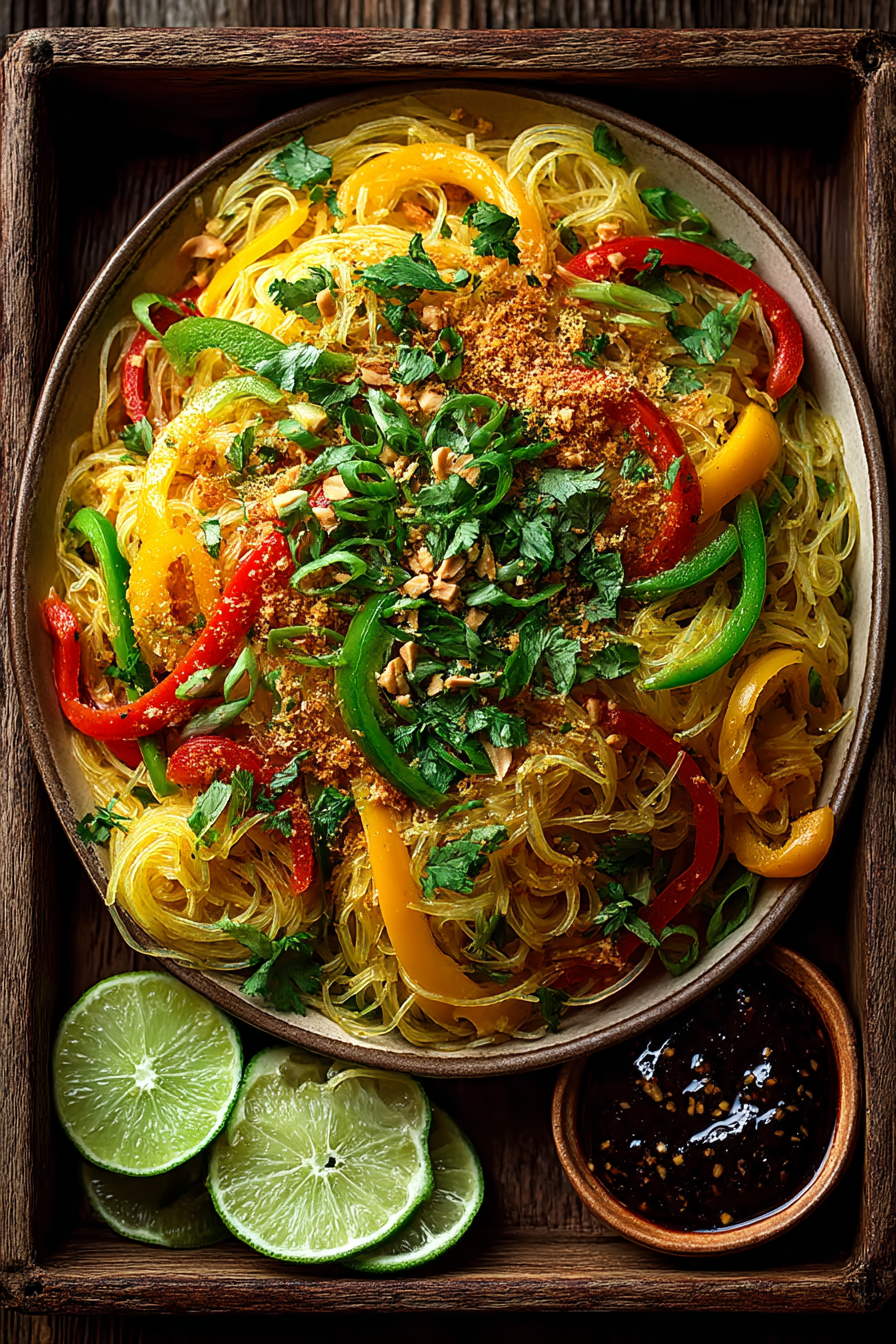
Why You’ll Love This Thai Glass Noodles Recipe
- Lightning-Fast Preparation: This authentic Thai noodles dish comes together in just 10-15 minutes from start to finish, making it ideal for quick weeknight dinners without sacrificing authentic flavor.
- Naturally Light & Healthy: Glass noodles are lower in calories than regular pasta while still being satisfying and delicious, making this a guilt-free indulgence.
- Incredible Flavor Profile: The combination of fish sauce, lime juice, and soy sauce creates a complex, balanced taste that’s savory, tangy, and perfectly umami-rich.
- Highly Adaptable: Whether you need a vegetarian glass noodle recipe or want to add shrimp, chicken, or beef, this base recipe works beautifully with any protein or produce you have on hand.
- Budget-Friendly Elegance: Glass noodles are inexpensive, and this homemade pad woon sen costs a fraction of restaurant takeout while tasting just as impressive.
- Perfect for Meal Prep: This Thai cellophane noodles dish can be made ahead, stored in the fridge, and reheated quickly, making it excellent for meal planning.
Ingredients You’ll Need
The beauty of this Thai glass noodles recipe lies in its simple ingredient list. Most items are pantry staples or can be found in the international aisle of your local grocery store. The key to authentic flavor is using quality fish sauce—don’t skip it, as it’s what gives this dish its signature Thai taste. If you’re making a vegetarian version, soy sauce can replace the fish sauce, though the flavor will be slightly different.
I recommend having all your ingredients prepped and measured before you start cooking, as this stir fry comes together very quickly. Fresh herbs like cilantro and green onions add the final flourish that makes your homemade glass noodle stir fry taste like it came straight from a Bangkok street vendor.
For the Noodles & Base
- 8 oz glass noodles (cellophane noodles) (also called vermicelli rice noodles)
- 2 tablespoons vegetable oil (for cooking)
- 3 cloves garlic (minced)
- 1 teaspoon fresh ginger (minced)
For the Sauce
- 3 tablespoons fish sauce (authentic Thai flavor)
- 2 tablespoons soy sauce (regular or low-sodium)
- 2 tablespoons lime juice (freshly squeezed)
- 1 tablespoon palm sugar (or brown sugar)
- 1/2 teaspoon red pepper flakes (adjust to taste)
For the Vegetables & Garnish
- 2 cups mixed vegetables (bell peppers, carrots, snap peas, mushrooms)
- 3 stalks green onions (sliced, separated white and green parts)
- 1/4 cup fresh cilantro (chopped)
- 2 tablespoons roasted peanuts (crushed or whole)
- 1 lime (cut into wedges)
Optional Add-ins:
- shrimp or chicken breast
- oyster sauce
- sesame oil
- Thai bird’s eye chili
- dried shrimp
How to Make Thai Glass Noodles Recipe (Step-by-Step)
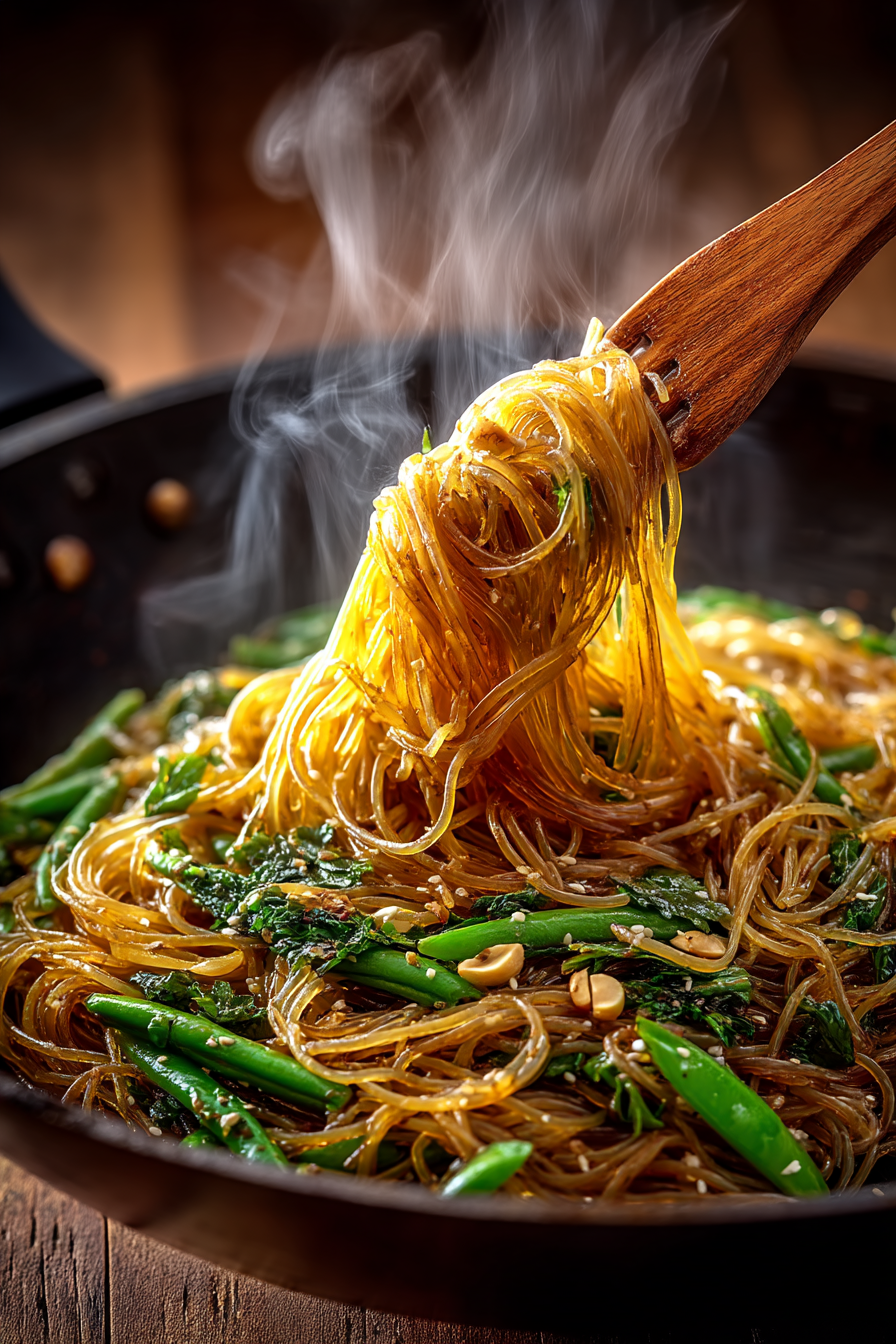
1. Prepare the Glass Noodles
Bring a small saucepan of water to a boil. Place glass noodles in a large mixing bowl and pour the boiling water over them until noodles are covered by about an inch.
Pro tip: Glass noodles cook very quickly—usually in 4-5 minutes. Don’t overcook them or they’ll become mushy and lose their delicate texture.
Let the noodles soak for 4-5 minutes until they turn from opaque to translucent and are tender but still slightly firm. Drain well in a colander and set aside.
Pro tip: If your noodles seem stuck together, gently toss them with a tiny bit of oil to prevent clumping while you prepare other ingredients.
2. Mix Your Sauce
In a small bowl, whisk together fish sauce, soy sauce, lime juice, palm sugar, and red pepper flakes until the sugar dissolves completely.
Pro tip: Taste your sauce at this stage—this is your moment to adjust seasonality before cooking. Want it more sour? Add lime. More spicy? Add chili flakes.
3. Prep Your Ingredients
While the noodles soak, mince your garlic and ginger, and slice all your vegetables into bite-sized pieces. Slice green onions, separating the white parts from the green parts (white cooks with the dish, green garnishes after).
Pro tip: Having everything prepped and within arm’s reach is crucial—this stir fry happens fast, and you won’t have time to chop once you start cooking.
4. Cook the Base Aromatics
Heat vegetable oil in a large wok or skillet over medium-high heat until shimmering. Add minced garlic and ginger, stirring constantly for about 30 seconds until fragrant.
Pro tip: Watch carefully here—garlic can burn quickly. You just want it to be aromatic and slightly golden, not dark brown.
5. Build Your Stir Fry
Add your prepared vegetables (and protein if using) to the wok, stirring constantly for 2-3 minutes until they begin to soften but still have a slight crunch. Add the white parts of the green onions.
Pro tip: Keep that heat high and keep stirring—this prevents sticking and ensures even cooking of all your vegetables.
Pour the prepared sauce over the vegetables and stir well to combine. Add the drained glass noodles and toss everything together gently but thoroughly for 1-2 minutes until the noodles are evenly coated with sauce.
Pro tip: Use two wooden spoons or a spoon and spatula to toss gently rather than vigorously—this keeps the delicate noodles intact.
6. Finish and Serve
Remove from heat and transfer to serving plates. Top with crushed roasted peanuts, fresh cilantro, green parts of the green onions, and a drizzle of sesame oil if desired. Serve with lime wedges on the side.
Pro tip: The lime wedges are essential—guests can squeeze them over their noodles to adjust the tartness to their preference. This is how it’s done in Thailand!
Thai Glass Noodles Recipe – Full Recipe
Thai Glass Noodles Recipe
Ingredients
Equipment
Method
- Bring a small saucepan of water to a boil. Place glass noodles in a large mixing bowl and pour the boiling water over them until noodles are covered by about an inch. Pro tip: Glass noodles cook very quickly—usually in 4-5 minutes. Don't overcook them or they'll become mushy and lose their delicate texture.
- Let the noodles soak for 4-5 minutes until they turn from opaque to translucent and are tender but still slightly firm. Drain well in a colander and set aside. Pro tip: If your noodles seem stuck together, gently toss them with a tiny bit of oil to prevent clumping while you prepare other ingredients.
- In a small bowl, whisk together fish sauce, soy sauce, lime juice, palm sugar, and red pepper flakes until the sugar dissolves completely. Pro tip: Taste your sauce at this stage—this is your moment to adjust seasonality before cooking. Want it more sour? Add lime. More spicy? Add chili flakes.
- While the noodles soak, mince your garlic and ginger, and slice all your vegetables into bite-sized pieces. Slice green onions, separating the white parts from the green parts (white cooks with the dish, green garnishes after). Pro tip: Having everything prepped and within arm's reach is crucial—this stir fry happens fast, and you won't have time to chop once you start cooking.
- Heat vegetable oil in a large wok or skillet over medium-high heat until shimmering. Add minced garlic and ginger, stirring constantly for about 30 seconds until fragrant. Pro tip: Watch carefully here—garlic can burn quickly. You just want it to be aromatic and slightly golden, not dark brown.
- Add your prepared vegetables (and protein if using) to the wok, stirring constantly for 2-3 minutes until they begin to soften but still have a slight crunch. Add the white parts of the green onions. Pro tip: Keep that heat high and keep stirring—this prevents sticking and ensures even cooking of all your vegetables.
- Pour the prepared sauce over the vegetables and stir well to combine. Add the drained glass noodles and toss everything together gently but thoroughly for 1-2 minutes until the noodles are evenly coated with sauce. Pro tip: Use two wooden spoons or a spoon and spatula to toss gently rather than vigorously—this keeps the delicate noodles intact.
- Remove from heat and transfer to serving plates. Top with crushed roasted peanuts, fresh cilantro, green parts of the green onions, and a drizzle of sesame oil if desired. Serve with lime wedges on the side. Pro tip: The lime wedges are essential—guests can squeeze them over their noodles to adjust the tartness to their preference. This is how it's done in Thailand!
Notes
- Glass noodles cook very quickly—don't soak longer than 5 minutes or they become mushy
- Having all ingredients prepped before you start cooking is essential since this stir fry happens fast
- The lime wedges and fresh cilantro garnish are not optional—they're what make this taste authentically Thai
Tips for the Best Thai Glass Noodles Recipe
- Don’t Overcook the Noodles: Glass noodles go from perfectly tender to mushy very quickly. Err on the side of slightly undercooked during the soaking stage since they’ll continue cooking in the wok.
- Make it Vegetarian: For a vegetarian glass noodle recipe, simply omit the fish sauce and use soy sauce instead, or use tamari for gluten-free. The dish will taste different but still delicious—you might add a tablespoon of sesame oil and a bit of white miso paste for depth.
- Prep Everything First: This quick Thai noodle dish relies on having all ingredients ready. It genuinely cooks in 10 minutes, so mise en place (prep) is your friend here.
- Control Your Heat Level: I’ve specified red pepper flakes, but feel free to use fresh Thai chilis, sriracha, or omit the heat entirely. Start small and taste as you go.
- Fresh Herbs Make All the Difference: Don’t skip the cilantro and lime wedges. These fresh elements transform your homemade pad woon sen from good to restaurant-quality.
- Use Quality Fish Sauce: Splurge a little here. Cheap fish sauce tastes fishy in a bad way. Good fish sauce smells intense but tastes wonderfully umami in the finished dish.
Variations to Try
- Shrimp Pad Woon Sen: Add 8 oz large shrimp (peeled and deveined) to the wok right after the garlic and ginger, cooking until they just turn pink before adding vegetables. This is the most traditional restaurant version.
- Beef Glass Noodle Stir Fry: Use 8 oz sliced beef sirloin, adding it after the aromatics and cooking until just done. Add a splash of oyster sauce for deeper flavor—beef loves that combination.
- Vegetarian Glass Noodle Recipe: Skip protein and load up on vegetables—add mushrooms, baby bok choy, water chestnuts, and broccoli. Use tamari instead of soy sauce and white miso paste plus sesame oil in your sauce for complexity.
- Thai Cellophane Noodles with Tofu: Use crispy pan-fried tofu cubes instead of meat. Press extra-firm tofu, cube it, pan-fry until golden, then add to the wok at the end to warm through and absorb sauce flavor.
- Spicy Version with Basil: Add 2-3 fresh Thai bird’s eye chilies to your sauce and finish with fresh Thai basil instead of cilantro for a completely different (but equally authentic) flavor profile.
Storage and Meal Prep Tips
- Refrigerator Storage: Store leftover pad woon sen in an airtight container for up to 3 days. It’s delicious cold straight from the fridge or quickly reheated in a wok with a splash of water.
- Freezer Storage: While glass noodle stir fry can technically be frozen, the texture of the noodles and vegetables changes slightly upon thawing. Best to enjoy fresh or refrigerate instead.
- Reheating Method: For the best results, warm your Thai glass noodles recipe in a wok or skillet over medium heat with a tablespoon of water or broth, stirring gently for 2-3 minutes. The noodles soften slightly, which is actually pleasant.
- Meal Prep Strategy: You can prepare components separately—cooked noodles in one container, sauce in another, and fresh vegetables in a third. Keep protein and fresh herbs separate. Assemble and heat when ready to eat for maximum freshness.
Nutritional Benefits
This easy glass noodle stir fry is surprisingly nutritious, offering a light yet satisfying meal that’s rich in vegetables and plant-based nutrients. Glass noodles are made from mung bean starch, making them lower in calories than wheat-based pasta while still providing energy and texture. When you load this Thai cellophane noodles dish with fresh vegetables, you’re adding fiber, vitamins, and minerals without adding significant calories.
- High in Vegetables: Packed with bell peppers, carrots, and other fresh produce for vitamins, minerals, and dietary fiber
- Good Source of Protein: Enhanced with optional shrimp or chicken, or naturally vegan-friendly with tofu
- Healthy Fats: Sesame oil and peanut garnish provide heart-healthy monounsaturated fats
- Lower Calorie: Glass noodles contain fewer calories than wheat or rice noodles, making this ideal for lighter eating
- Rich in Antioxidants: Garlic, ginger, cilantro, and lime provide potent antioxidants and anti-inflammatory compounds
What to Serve With Thai Glass Noodles Recipe
- Thai Cucumber Salad (Ajad): A crisp, cool cucumber salad with a sweet-spicy vinegar dressing provides perfect contrast to the warm noodles and balances the heat beautifully.
- Spring Rolls with Peanut Sauce: Serve alongside fresh or fried spring rolls for a more substantial meal with textural variety and the classic Thai flavor combination.
- Tom Yum Soup (Light Version): A simple, aromatic soup with lemongrass and lime complements this dish wonderfully without being too heavy.
- Papaya Salad (Som Tam): The fresh, spicy, tangy papaya salad is the perfect accompaniment, offering brightness and crunch that pairs beautifully with the soft noodles.
- Thai Mango Sticky Rice: For a complete meal experience, finish with this traditional sweet dessert—the coolness of ice cream (if added) balances any spice from the main course.
Frequently Asked Questions
What are glass noodles, and where do I buy them?
Glass noodles (also called cellophane noodles, bean thread noodles, or vermicelli rice noodles) are transparent noodles made from mung bean starch and water. They have a delicate, slightly chewy texture when cooked. You can find them in the international/Asian aisle of most grocery stores, at Asian markets, or online. Popular brands include Dynasty and Thai Kitchen. They’re inexpensive and shelf-stable, so buy a few packages at once.
Can I make this Thai glass noodles recipe vegetarian or vegan?
Absolutely! For vegetarian: use soy sauce instead of fish sauce, and skip any animal protein. For vegan: ensure your soy sauce is certified vegan (most are), use vegetable oil, and skip the fish sauce. Add umami depth with white miso paste, a splash of oyster sauce (vegetarian versions exist), or additional sesame oil. The dish will taste slightly different but still delicious and authentically flavored with the lime, cilantro, and ginger.
How do I prevent my glass noodles from sticking together?
The key is not overcooking them during soaking. Soak just until tender (4-5 minutes), then drain immediately and thoroughly. If you’re prepping ahead, gently toss the drained noodles with a tiny bit of oil (about 1/2 teaspoon) to prevent clumping. When stir-frying, use two utensils (spoon and spatula) and handle them gently rather than aggressively tossing, which can break them and release starch that causes sticking.
What can I use instead of fish sauce in a pad woon sen recipe?
Fish sauce is traditional and provides authentic flavor, but if you don’t have it: use soy sauce or tamari (same amount as called for), add white miso paste (1 tablespoon for umami depth), or use mushroom-based vegetarian fish sauce. Soy sauce alone will work but won’t have the same complexity. Some people use a combination of soy sauce, sesame oil, and a bit of lime juice. Adjust seasonings to taste.
Can I make this quick Thai noodle dish ahead of time?
Yes, but here’s the best approach: Cook the noodles and store them separately from the sauce. Keep cooked vegetables and fresh garnishes separate. When ready to eat (within 24 hours), combine everything and heat through in a wok for 1-2 minutes. If you absolutely must store the complete dish, refrigerate for up to 3 days and reheat gently with a splash of water, though the texture won’t be quite as fresh. For best results, assemble components fresh just before serving.
Final Thoughts
This Thai glass noodles recipe has genuinely become one of my favorite go-to dinners. It satisfies that craving for restaurant-quality Thai food while being quick enough to make on a busy Tuesday night, and budget-friendly enough to enjoy regularly without guilt. The combination of delicate noodles, vibrant vegetables, and that perfectly balanced sauce of salty, sour, spicy, and sweet is simply irresistible.
What I love most is how adaptable it is. Whether you’re cooking for yourself, impressing dinner guests, following a specific diet, or using whatever vegetables are in your fridge, this authentic Thai noodles dish flexes beautifully. Once you master the basic technique and flavor profile, you’ll find yourself making variations of this all the time—maybe with shrimp one night, mushrooms the next, adding more heat or pulling it back based on your mood.
Ready to Try It?
I’d absolutely love to hear about your experience with this pad woon sen recipe! Have you made this before, or is this your first time trying glass noodles? Drop a comment below sharing your favorite variation, tips you’ve discovered, or photos of your finished dish. And if you try any of the variations I’ve suggested, please come back and tell me which one became your new favorite. Happy cooking, and enjoy every delicious bite of your homemade Thai glass noodle stir fry!