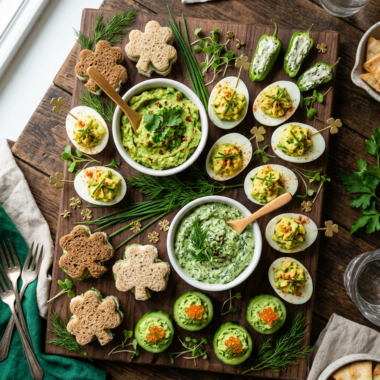
When spring arrives and life gets busy, having a collection of reliable 30 minute spring dinner recipes becomes absolutely essential. There’s nothing quite like coming home after a long day and knowing you can create a delicious, satisfying meal using the season’s freshest ingredients without spending hours in the kitchen.
These quick spring meals celebrate everything we love about the season – tender asparagus, sweet peas, baby potatoes, and fresh herbs – all transformed into complete dinners that are ready in just half an hour. Whether you’re feeding a hungry family or treating yourself to something special after a hectic day, these easy weeknight dinners prove that fast doesn’t mean sacrificing flavor or nutrition.
Today I’m sharing my go-to spring dinner recipe that combines pan-seared chicken with a medley of seasonal vegetables and a bright lemon herb sauce. It’s become my family’s absolute favorite when we need something quick, healthy, and utterly delicious.
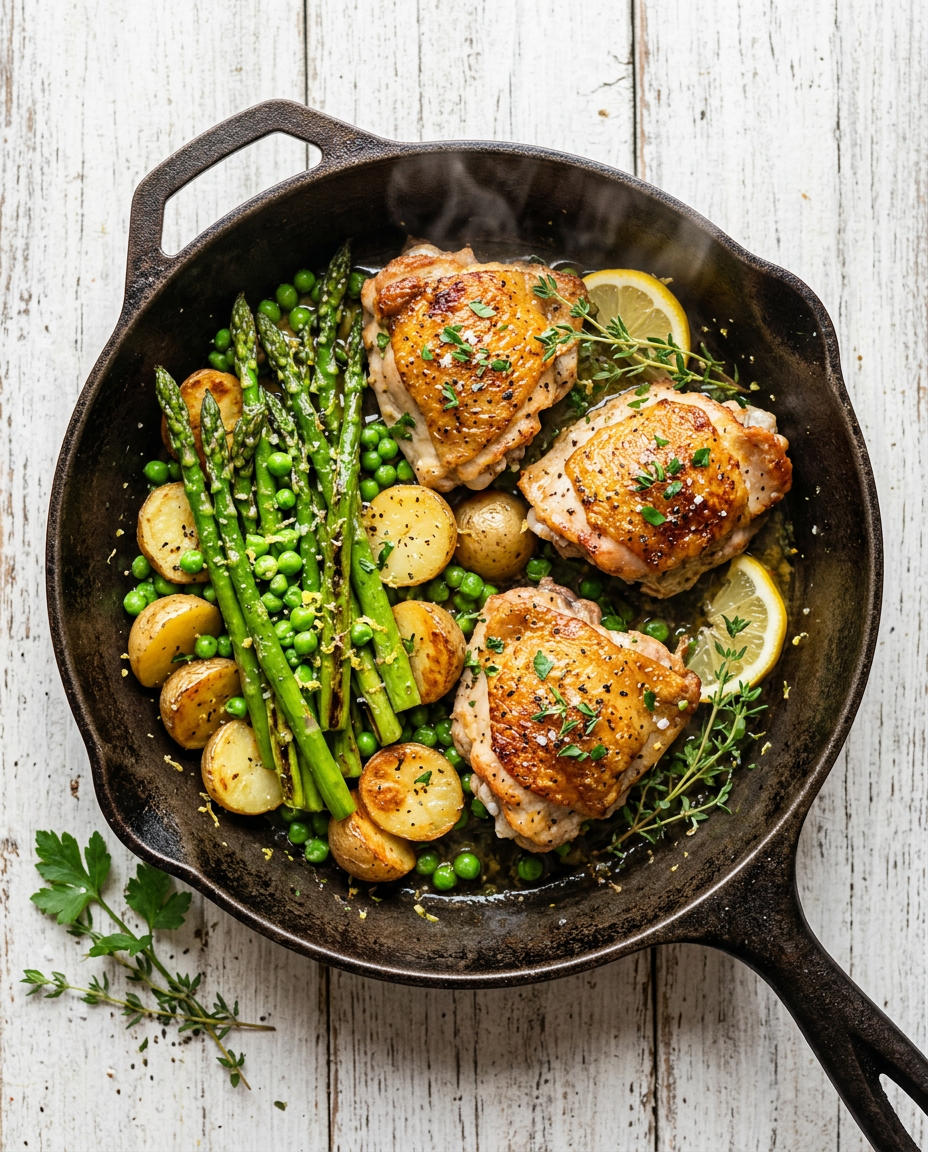
Why You’ll Love This 30-Minute Spring Dinner Recipes: Easy Weeknight Meals with Fresh Seasonal Flavors
- Lightning Fast: Ready in just 30 minutes from start to finish, perfect for busy weeknights
- One-Pan Wonder: Minimal cleanup required with everything cooking together in harmony
- Peak Season Flavors: Showcases the best spring vegetables at their most tender and flavorful
- Naturally Healthy: Packed with lean protein, fresh vegetables, and wholesome ingredients
- Incredibly Versatile: Easy to customize with whatever spring vegetables you have on hand
- Budget-Friendly: Uses affordable ingredients that won’t break the bank
Ingredients You’ll Need
The beauty of this 30 minute spring dinner lies in its simple, high-quality ingredients that let the natural flavors of the season shine through. I always start with boneless chicken thighs because they cook quickly and stay incredibly juicy, but chicken breasts work beautifully too if that’s your preference.
For the vegetables, I love using a combination of asparagus, baby potatoes, and fresh peas – they all have similar cooking times and complement each other perfectly. The lemon herb sauce is what really brings everything together, creating a bright, restaurant-quality finish that makes this dish feel special despite how quick it is to prepare.
For the Chicken and Vegetables
- 1.5 lbs boneless chicken thighs (skin-on, patted dry)
- 1 lb baby potatoes (halved)
- 1 lb fresh asparagus (trimmed and cut into 2-inch pieces)
- 1 cup fresh or frozen peas
- 3 tablespoons olive oil (divided)
- 1 teaspoon salt (divided)
- 1/2 teaspoon black pepper (freshly ground)
For the Lemon Herb Sauce
- 1 large lemon (juiced and zested)
- 3 cloves garlic (minced)
- 2 tablespoons fresh thyme (chopped)
- 1/4 cup fresh parsley (chopped)
- 2 tablespoons butter (unsalted)
- 1/4 teaspoon red pepper flakes (optional)
Optional Add-ins:
- fresh mint
- crumbled feta cheese
- lemon wedges
How to Make 30-Minute Spring Dinner Recipes: Easy Weeknight Meals with Fresh Seasonal Flavors (Step-by-Step)
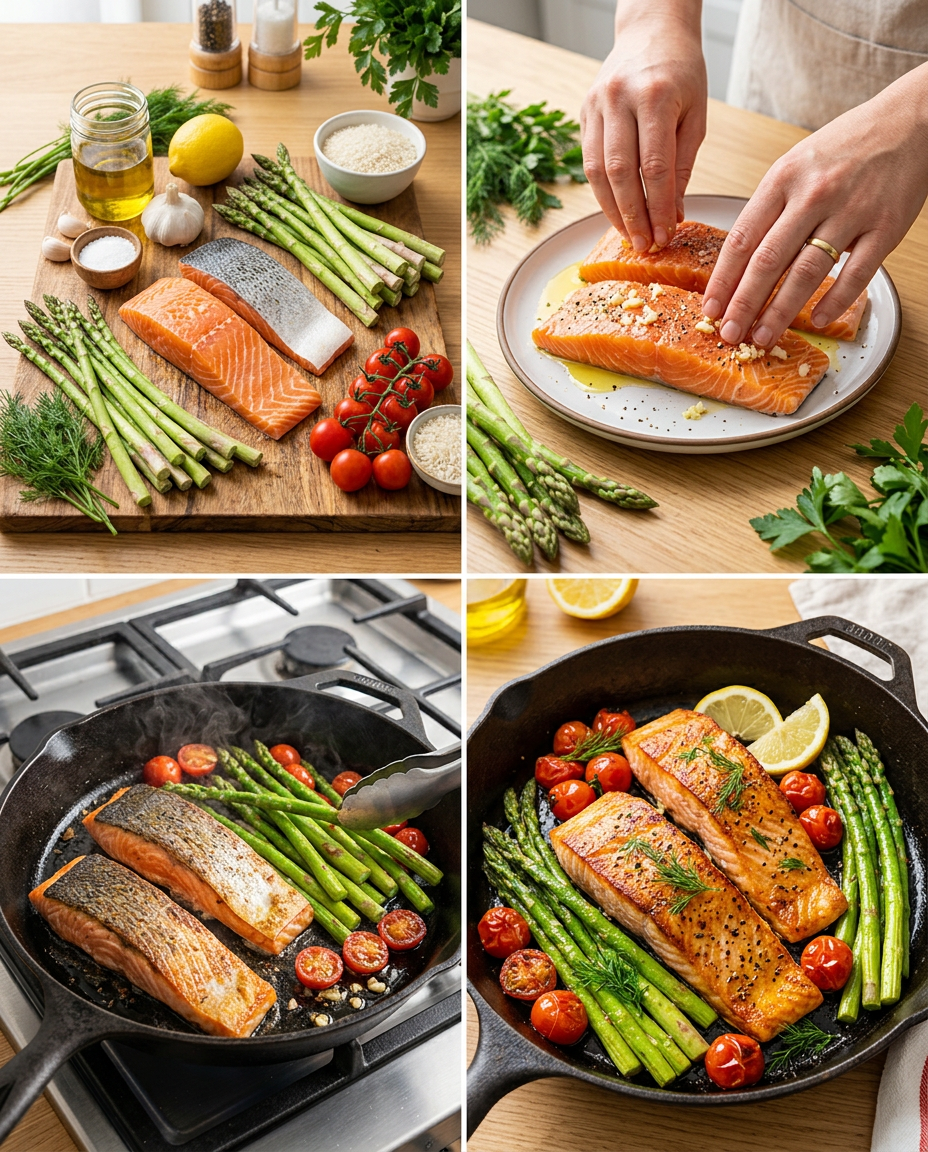
1. Prep the Potatoes
Bring a medium saucepan of salted water to boil. Add halved baby potatoes and cook for 8-10 minutes until just tender when pierced with a fork. Drain well and set aside.
Pro tip: Don’t overcook the potatoes at this stage – they’ll finish cooking in the skillet
2. Prepare the Chicken
While potatoes are cooking, pat chicken thighs completely dry with paper towels. Season both sides generously with salt and pepper.
Pro tip: Dry chicken is crucial for getting that beautiful golden sear
Heat 2 tablespoons olive oil in a large cast iron skillet over medium-high heat until shimmering. Add chicken thighs skin-side down and cook for 5-6 minutes until golden brown and crispy.
Pro tip: Don’t move the chicken once it hits the pan – let it develop that perfect crust
3. Add the Vegetables
Flip chicken thighs and push to one side of the skillet. Add the parboiled potatoes to the empty space and cook for 3-4 minutes until lightly browned.
Pro tip: If your skillet isn’t large enough, you can transfer the chicken to a plate temporarily
Add asparagus pieces around the chicken and potatoes. Drizzle with remaining 1 tablespoon olive oil and season vegetables with remaining salt and pepper. Cook for 3-4 minutes until asparagus is bright green and tender-crisp.
Pro tip: The asparagus should still have a slight bite to it – it will continue cooking slightly from residual heat
4. Make the Sauce
Push vegetables to sides of pan and add minced garlic to the center. Cook for 30 seconds until fragrant, then add peas and cook for 1 minute more.
Pro tip: Watch the garlic carefully – it can go from golden to burnt very quickly
Remove pan from heat and add butter, lemon juice, lemon zest, fresh thyme, and parsley. Toss everything together until the butter melts and coats all ingredients.
Pro tip: The residual heat will finish cooking the peas perfectly while keeping them bright green
5. Final Assembly and Serving
Check that chicken has reached an internal temperature of 165°F. Taste and adjust seasoning with additional salt, pepper, or lemon juice as needed.
Pro tip: Let your taste buds guide you – some lemons are more tart than others
Sprinkle with red pepper flakes if using, and serve immediately with optional fresh mint, feta cheese, and lemon wedges on the side.
Pro tip: This dish is best served hot, but leftovers are delicious cold the next day too
30-Minute Spring Dinner Recipes: Easy Weeknight Meals with Fresh Seasonal Flavors – Full Recipe
30-Minute Spring Dinner Recipes: Easy Weeknight Meals with Fresh Seasonal Flavors
Ingredients
Equipment
Method
- Bring a medium saucepan of salted water to boil. Add halved baby potatoes and cook for 8-10 minutes until just tender when pierced with a fork. Drain well and set aside. Pro tip: Don't overcook the potatoes at this stage – they'll finish cooking in the skillet
- While potatoes are cooking, pat chicken thighs completely dry with paper towels. Season both sides generously with salt and pepper. Pro tip: Dry chicken is crucial for getting that beautiful golden sear
- Heat 2 tablespoons olive oil in a large cast iron skillet over medium-high heat until shimmering. Add chicken thighs skin-side down and cook for 5-6 minutes until golden brown and crispy. Pro tip: Don't move the chicken once it hits the pan – let it develop that perfect crust
- Flip chicken thighs and push to one side of the skillet. Add the parboiled potatoes to the empty space and cook for 3-4 minutes until lightly browned. Pro tip: If your skillet isn't large enough, you can transfer the chicken to a plate temporarily
- Add asparagus pieces around the chicken and potatoes. Drizzle with remaining 1 tablespoon olive oil and season vegetables with remaining salt and pepper. Cook for 3-4 minutes until asparagus is bright green and tender-crisp. Pro tip: The asparagus should still have a slight bite to it – it will continue cooking slightly from residual heat
- Push vegetables to sides of pan and add minced garlic to the center. Cook for 30 seconds until fragrant, then add peas and cook for 1 minute more. Pro tip: Watch the garlic carefully – it can go from golden to burnt very quickly
- Remove pan from heat and add butter, lemon juice, lemon zest, fresh thyme, and parsley. Toss everything together until the butter melts and coats all ingredients. Pro tip: The residual heat will finish cooking the peas perfectly while keeping them bright green
- Check that chicken has reached an internal temperature of 165°F. Taste and adjust seasoning with additional salt, pepper, or lemon juice as needed. Pro tip: Let your taste buds guide you – some lemons are more tart than others
- Sprinkle with red pepper flakes if using, and serve immediately with optional fresh mint, feta cheese, and lemon wedges on the side. Pro tip: This dish is best served hot, but leftovers are delicious cold the next day too
Notes
- Parboil potatoes first to ensure even cooking with other vegetables
- Pat chicken completely dry before searing for the crispiest skin
- Add fresh herbs at the end to preserve their bright flavor and color
Tips for the Best 30-Minute Spring Dinner Recipes: Easy Weeknight Meals with Fresh Seasonal Flavors
- Choose the Right Pan: A large cast iron skillet or heavy-bottomed pan holds heat evenly and gives you the best sear on the chicken
- Don’t Crowd the Vegetables: If your pan isn’t large enough, cook in batches to ensure everything gets properly browned rather than steamed
- Timing is Everything: Start the potatoes first since they take the longest, then work backwards from there for perfectly synchronized cooking
- Fresh Herb Magic: Add half the herbs during cooking and save the rest for a fresh pop of flavor at the end
- Temperature Check: Always verify chicken reaches 165°F internal temperature for food safety, but don’t overcook or it will dry out
- Sauce Consistency: If the pan seems dry, add an extra tablespoon of butter or a splash of white wine for more sauce
Variations to Try
- Mediterranean Style: Add cherry tomatoes, olives, and oregano instead of thyme, finish with crumbled feta cheese
- Asian-Inspired: Replace lemon with lime, add ginger and soy sauce, garnish with scallions and sesame seeds
- Protein Swap: Use salmon fillets, pork tenderloin, or even firm tofu for different protein options
- Vegetable Mix-Up: Try sugar snap peas, baby carrots, or spring onions based on what’s freshest at your market
- Creamy Version: Stir in a few tablespoons of heavy cream or Greek yogurt at the end for a richer sauce
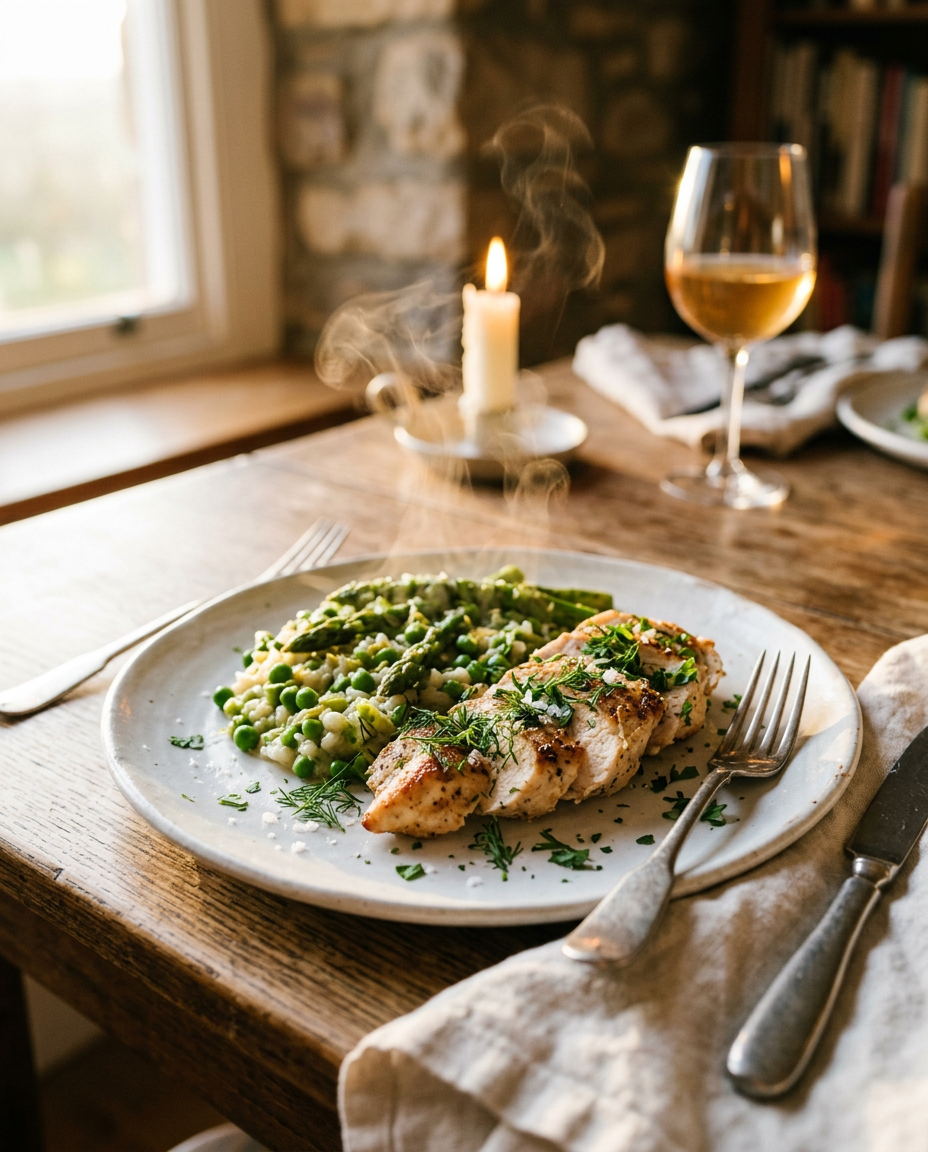
Storage and Meal Prep Tips
- Refrigerator Storage: Store leftovers in an airtight container for up to 3 days in the refrigerator
- Freezer Storage: This dish is best fresh, but cooked chicken can be frozen for up to 2 months (vegetables may become softer)
- Reheating Instructions: Reheat gently in a skillet over medium-low heat or in the microwave at 50% power to prevent overcooking
- Meal Prep Tips: Prep all vegetables ahead of time and store in separate containers, then cook fresh for best results
Nutritional Benefits
This 30 minute spring dinner is naturally packed with nutrients that support your health and energy levels. The combination of lean protein, colorful vegetables, and healthy fats creates a perfectly balanced meal that satisfies without weighing you down.
- High-quality protein from chicken supports muscle maintenance and keeps you feeling full
- Asparagus provides folate, vitamin K, and antioxidants that support heart health
- Baby potatoes offer complex carbohydrates and potassium for sustained energy
- Fresh peas contribute plant-based protein and fiber for digestive health
- Olive oil provides heart-healthy monounsaturated fats and helps absorb fat-soluble vitamins
- Fresh herbs and lemon add vitamin C and powerful antioxidants
What to Serve With 30-Minute Spring Dinner Recipes: Easy Weeknight Meals with Fresh Seasonal Flavors
- Crusty sourdough bread or dinner rolls for soaking up the delicious pan sauce
- Simple arugula salad with lemon vinaigrette to complement the spring vegetables
- Garlic roasted broccoli or green beans for extra vegetable servings
- Wild rice pilaf or quinoa for additional whole grains and fiber
- Light white wine like Sauvignon Blanc or Pinot Grigio to enhance the fresh flavors
Frequently Asked Questions
Can I make this 30 minute spring dinner ahead of time?
While this dish is best served fresh, you can prep all the vegetables and season the chicken up to 24 hours ahead. Store everything separately in the refrigerator, then cook as directed when ready to serve. The actual cooking should be done just before eating for optimal texture and flavor.
What other vegetables work well in quick spring meals?
Spring vegetables that cook quickly include snap peas, baby carrots, radishes, spring onions, baby spinach, and artichoke hearts. Choose vegetables with similar cooking times and cut everything into uniform pieces for even cooking. Root vegetables like potatoes may need parboiling first.
Can I use chicken breasts instead of thighs for this recipe?
Absolutely! Chicken breasts work wonderfully in this recipe. Pound them to even thickness (about 3/4 inch) for uniform cooking, and reduce the initial searing time to 4-5 minutes per side. Check for doneness at 165°F internal temperature, as breasts can dry out more quickly than thighs.
How do I prevent the vegetables from overcooking in one pan meals?
The key is adding vegetables in order of cooking time needed. Start with harder vegetables like potatoes (parboiled first), then add medium-cooking items like asparagus, and finish with quick-cooking ingredients like peas and garlic. Cut everything uniformly and don’t overcrowd the pan.
What’s the best way to get crispy chicken skin in a 30 minute dinner?
Start with completely dry chicken (pat with paper towels), season at least 10 minutes before cooking if possible, and use a hot pan with adequate oil. Don’t move the chicken once it hits the pan – let it develop a golden crust for 5-6 minutes before flipping. A cast iron or heavy-bottomed pan works best for even heat distribution.
Final Thoughts
This collection of techniques for creating amazing 30 minute spring dinner recipes has completely transformed my weeknight cooking routine. There’s something so satisfying about creating a restaurant-quality meal in just half an hour using the season’s most beautiful ingredients. The combination of perfectly seared protein, tender seasonal vegetables, and a bright finishing sauce never fails to impress both family and guests.
What I love most about these fast dinner recipes is how adaptable they are to your personal preferences and what’s available at your local market. Spring is such a wonderful time to experiment with different vegetable combinations and fresh herbs, and this basic technique works as a template for countless variations. Once you master the timing and understand how different ingredients cook together, you’ll find yourself creating your own seasonal dinner recipes with confidence.
Ready to Try It?
I hope this recipe inspires you to embrace quick spring meals that don’t compromise on flavor or nutrition. There’s no need to stress about dinner when you have reliable techniques like this in your back pocket. Give this 30 minute spring dinner a try tonight, and don’t forget to share your results in the comments below – I love hearing about your variations and favorite seasonal ingredients!